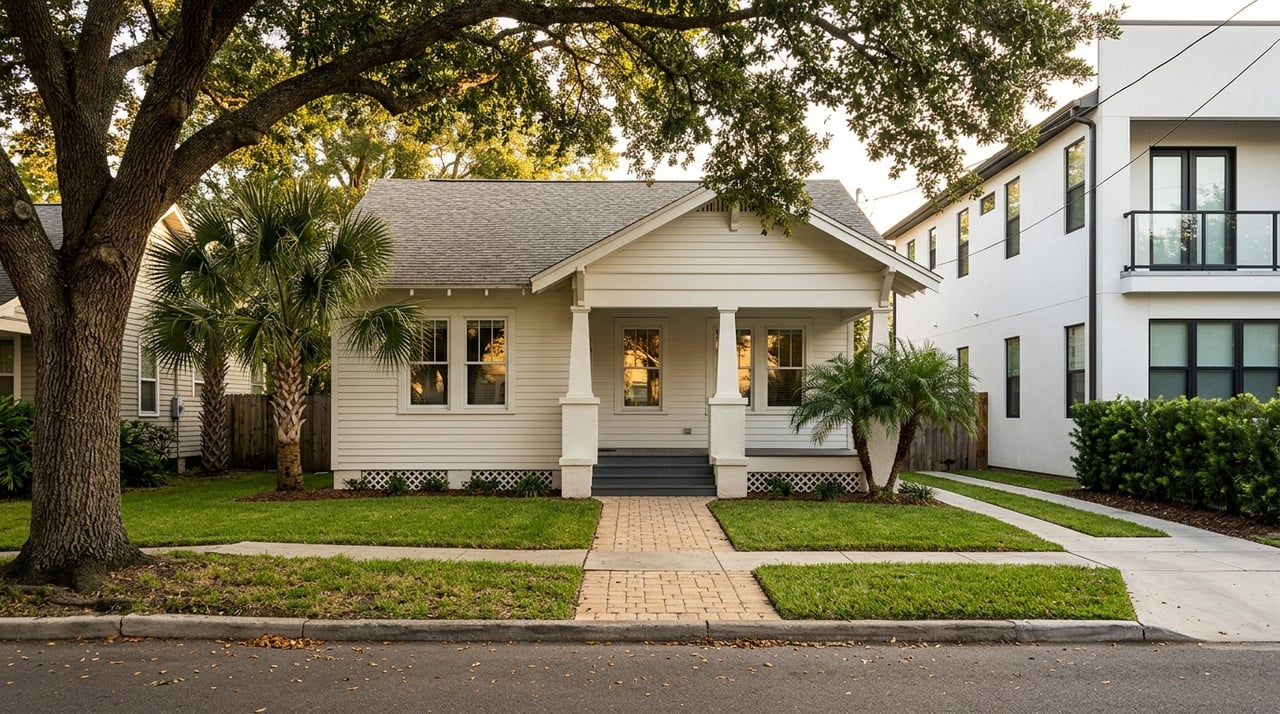
If you have ever walked through Hyde Park and wondered why one block feels ornate and historic while the next feels orderly, shaded, and quietly refined, the answer usually comes down to two things: architecture and lot layout. In this part of Tampa, a home’s look is only half the story. How it sits on the lot, faces the street, and relates to neighboring homes shapes the feel of the block just as much. This guide will help you understand the styles, site patterns, and design cues that define Hyde Park so you can read the neighborhood with more confidence. Let’s dive in.
How Hyde Park’s Street Pattern Took Shape
Hyde Park is Tampa’s oldest existing neighborhood and sits just west of downtown across the Hillsborough River. The historic district is generally located between the Hillsborough River and Bay, Howard Avenue, and Kennedy Boulevard. The City of Tampa also expanded the local historic district north in 2023, adding 184 buildings.
One of the most important things to know is that Hyde Park was not created as a single uniform subdivision. Instead, it developed as a combination of individual subdivisions laid out in a conventional grid, with major streets running perpendicular to Bayshore. That helps explain why the neighborhood feels cohesive without looking repetitive.
Early development centered on quarter-acre lots along the 80-foot-wide Hyde Park Avenue. Over time, the area grew in waves. Access improved in the late 1880s, building picked up strongly between about 1913 and 1928, construction slowed after the Depression, and preservation efforts in the 1970s and 1980s helped spark renewed investment and development.
Today, many historic homes have been extensively renovated, and the heavily shaded streets remain a defining part of the neighborhood experience. That mix of mature landscape, historic fabric, and steady reinvestment is a big reason Hyde Park feels both established and current.
Why Architecture and Lots Matter Together
In Hyde Park, curb appeal is not just about the house itself. The neighborhood’s identity comes from the relationship between style, lot width, setbacks, spacing, and street alignment. Two homes with similar square footage can feel very different depending on how they sit on the site.
City design guidance emphasizes several recurring patterns. Buildings are expected to stay similar in height and width to neighboring homes, maintain the block’s setbacks, keep the main facade parallel to the street, and place the primary entrance on the street side. Lot coverage and spacing between buildings also matter because they preserve the rhythm of each block.
In practical terms, Hyde Park typically reads as a neighborhood of front-facing homes, not deep setback houses or lots dominated by driveways. That is one reason the streets feel walkable, visually balanced, and architecturally connected.
Key Hyde Park Architecture Styles
Queen Anne Revival
Queen Anne Revival is one of the easiest styles to recognize from the street. These homes often feature asymmetrical shapes, varied roof forms, bays, turrets, and projecting pavilions. If a house has an ornate, irregular silhouette, this is often the style you are seeing.
Tudor Revival
Tudor Revival homes tend to look more dramatic and vertical. Common features include mock half-timbering over stucco, steep roof lines, casement windows, and prominent chimneys. If you notice steep gables and strong storybook character, Tudor Revival is a likely match.
Colonial Revival and American Foursquare
These homes usually feel more orderly and symmetrical. You will often see classical details, dormers, shutters, and a rectangular two-story form. In Hyde Park, the city’s style guide notes that Colonial Revival references can include the American Foursquare, which is helpful if you are comparing boxier historic homes on similar lots.
French Second Empire
This is a rarer style in Hyde Park, but it stands out clearly when you see it. The key marker is a high mansard roof, often paired with patterned slate and decorative iron detailing. The Hutchinson House on Plant Avenue is the city’s noted example.
Mediterranean Revival
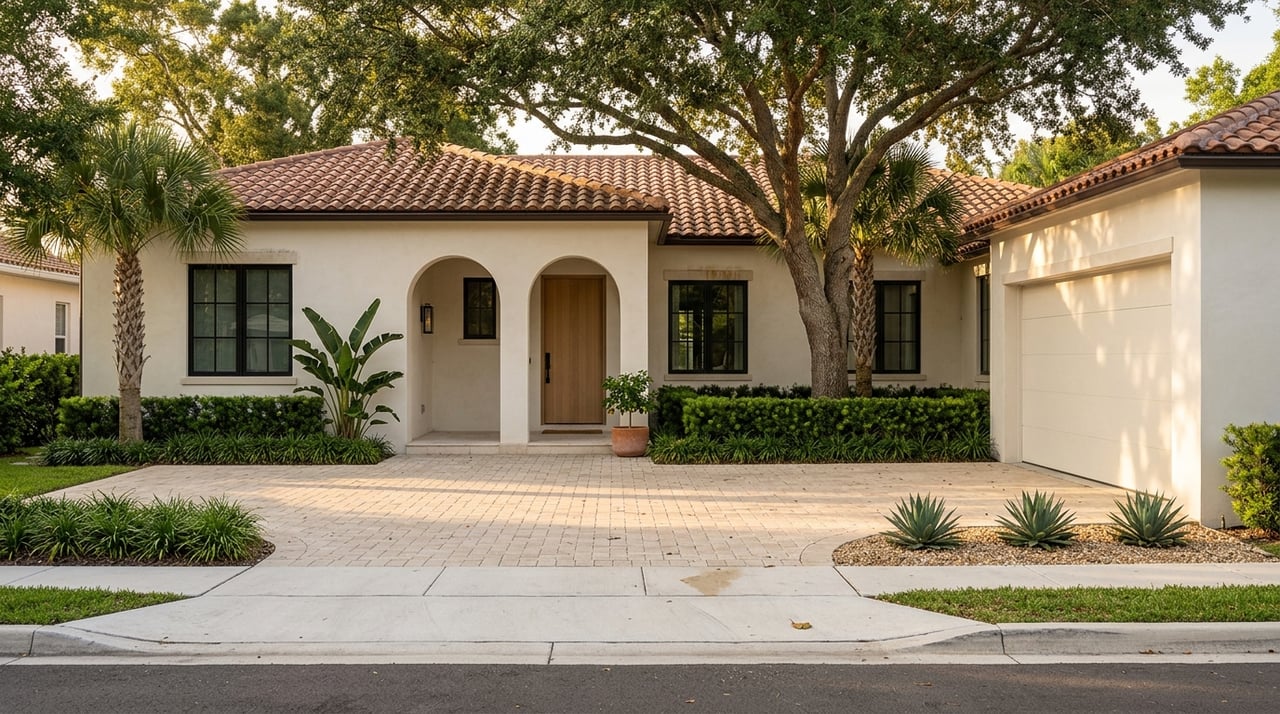
Mediterranean Revival is especially well suited to Tampa’s climate and visual character. Typical features include stucco, tile, cast stone, arches, loggias, towers, decorative ceramics, and exposed beams. When you see a home with stucco walls and arched details, Mediterranean Revival is often the first style to consider.
Craftsman and Bungalow
Craftsman and bungalow homes usually feel grounded, approachable, and highly livable. Look for exposed beams and rafters, wide eaves, outdoor porches, many windows, and built-ins. In Hyde Park, Bungalow Terrace is a particularly notable example because it is a planned development made up only of Craftsman bungalows.
Prairie Style
Prairie Style homes emphasize strong horizontal lines and a low-slung look. Common features include low roof pitch, cantilevered eaves, terraces, bands of windows, and geometric detail. Hyde Park’s best-known fully developed example is the Leiman House.
Vernacular and Eclectic Homes
Not every contributing home in Hyde Park fits neatly into a named style. Some houses are better described as vernacular or eclectic. Even so, these homes remain important because they help preserve the district’s scale, materials, orientation, and overall visual continuity.
A Simple Way to Read the Street
If you are scanning listings or walking the neighborhood, a few visual shortcuts can help you identify what you are seeing:
- A broad porch and low roofline often suggest Craftsman or bungalow.
- A boxier, symmetrical two-story shape often points to Colonial Revival or American Foursquare.
- A steep roof with half-timbering often signals Tudor Revival.
- Stucco walls and arches often suggest Mediterranean Revival.
- An ornate, irregular silhouette often points to Queen Anne Revival.
These cues are especially useful when you are comparing homes that may have been updated over time but still retain their original massing and street presence.
How Lot Styles Shape Block Character
Hyde Park’s lot patterns are a major part of what buyers notice first, even if they do not realize it right away. The spacing between homes, the distance from the street, and the orientation of front doors all help create the neighborhood’s rhythm.
Because the design guidance emphasizes consistent setbacks and front-facing facades, many blocks feel visually connected from one property to the next. Homes tend to contribute to the street rather than turn inward. That makes the public-facing side of each property, including porches and facade details, especially important.
Corner lots can feel different in a good way. The guidelines acknowledge that corner properties often have two visible facades and may include porches, wings, or porte cocheres. That can make some homes feel more expansive and architecturally expressive even when the underlying parcel size is similar to nearby lots.
The Special Case of Bungalow Courts
One of Hyde Park’s more distinctive lot arrangements is the bungalow court. Rather than following the standard single-house lot pattern, this format groups multiple smaller homes in a planned arrangement. In Hyde Park, Bungalow Terrace is the city’s key example.
For buyers who appreciate character and compact design, bungalow courts show that Hyde Park’s historic identity is not limited to large homes on traditional lots. They also reflect the neighborhood’s broader architectural range and development history.
What Newer Infill Is Expected to Do
Hyde Park is not frozen in time, but new construction is expected to relate to its surroundings. The City of Tampa’s design guidelines give the Architectural Review Commission a framework for reviewing construction activity in the district. A new building can be different from its neighbors, but it should still relate to nearby heights, widths, massing, roof forms, setbacks, spacing, and site coverage.
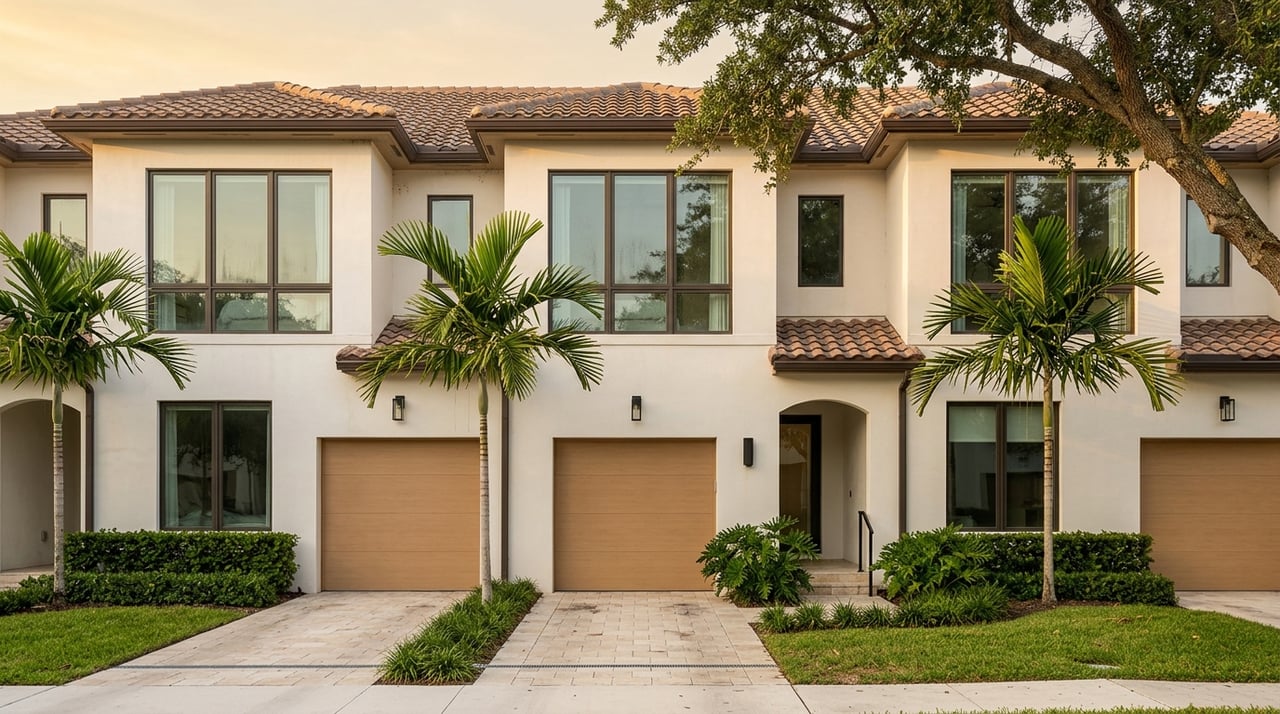
When a project is larger than surrounding homes, the guidance calls for breaking the mass into smaller elements. That approach helps newer infill feel more compatible with the scale of the block. It is one reason some newer homes in Hyde Park look more contemporary while still respecting the neighborhood’s traditional street-facing orientation.
For buyers and sellers, this matters because it helps explain why Hyde Park retains a strong visual identity even as homes evolve. The neighborhood’s character is protected not by one single style, but by the way architecture and site planning work together.
What This Means When You Browse Homes
If you are evaluating homes in Hyde Park, it helps to look beyond square footage and finishes. Pay attention to where the house sits on the lot, how it addresses the street, and whether its proportions feel aligned with the rest of the block. Those details influence everything from curb appeal to the overall sense of place.
For sellers, these same factors shape how a property is perceived in the market. A home’s architectural style, porch presence, corner orientation, and relation to neighboring homes can all affect how distinct and memorable it feels. In a neighborhood as established as Hyde Park, buyers often respond strongly to that context.
Whether you are drawn to a bungalow, a Mediterranean Revival home, or a more tailored Colonial Revival facade, understanding the lot and the block can help you assess a property more clearly. In Hyde Park, the setting is part of the value.
If you want help understanding how a specific Hyde Park home fits into the neighborhood’s architectural and lot patterns, Bianca Lopez offers a polished, local-first approach for buyers and sellers navigating South Tampa’s most design-sensitive streets.
FAQs
What architectural styles are most common in Hyde Park, Tampa?
- Hyde Park includes Queen Anne Revival, Tudor Revival, Colonial Revival, American Foursquare, Mediterranean Revival, Craftsman, bungalow, Prairie Style, and vernacular or eclectic homes.
What makes Hyde Park lot styles different from other Tampa neighborhoods?
- Hyde Park is known for front-facing homes, consistent setbacks, facades parallel to the street, and block rhythms shaped by spacing, lot coverage, and street orientation.
What does a bungalow court mean in Hyde Park real estate?
- A bungalow court is a planned arrangement of multiple smaller homes rather than a standard one-house lot pattern, with Bungalow Terrace serving as Hyde Park’s key example.
What should you notice about newer construction in Hyde Park?
- Newer infill may look more contemporary, but it is expected to relate to nearby homes in height, width, massing, roof form, setbacks, spacing, and site coverage.
Why do two Hyde Park homes of similar size feel so different?
- In Hyde Park, a home’s feel is shaped by more than square footage. Style, lot width, setbacks, facade orientation, and the way the home fits the block all influence how it reads from the street.