Torn between preserving a classic Beach Park estate and starting fresh with a custom new build? You are not alone. This decision blends lifestyle, budget, timeline, and risk tolerance, and the right answer looks different for every buyer. In this guide, you will learn how Beach Park’s architecture, lot patterns, walkability, zoning, flood factors, costs, and timelines shape your options so you can buy with confidence. Let’s dive in.
Beach Park at a glance
Location and history
Beach Park sits in South Tampa near Bayshore, the Westshore district, and a short drive to downtown. The neighborhood dates to the 1920s and features Mediterranean Revival influences, mature live oaks, and winding streets that set it apart. You can trace that heritage through the area’s original plan and early homes, highlighted by the local history of the Beach Park Women’s Club. For a quick snapshot of boundaries and neighborhood context, explore the City of Tampa’s Beach Park page.
- Local history and architecture: Beach Park Women’s Club history
- Neighborhood overview: City of Tampa Beach Park page
Everyday access and walkability
Beach Park’s overall Walk Score sits in the “Somewhat Walkable” range, and pockets near Bayshore or commercial corridors feel more connected. The Bayshore Linear Park, one of the country’s longest continuous waterfront sidewalks, is a lifestyle favorite for running, biking, and daily strolls. Many buyers value the quick drives to Tampa International Airport, Westshore, Hyde Park, and downtown as part of the tradeoff. Review the neighborhood’s Walk Score map to compare different blocks.
Estate homes vs new builds: what defines each
Architecture and build systems
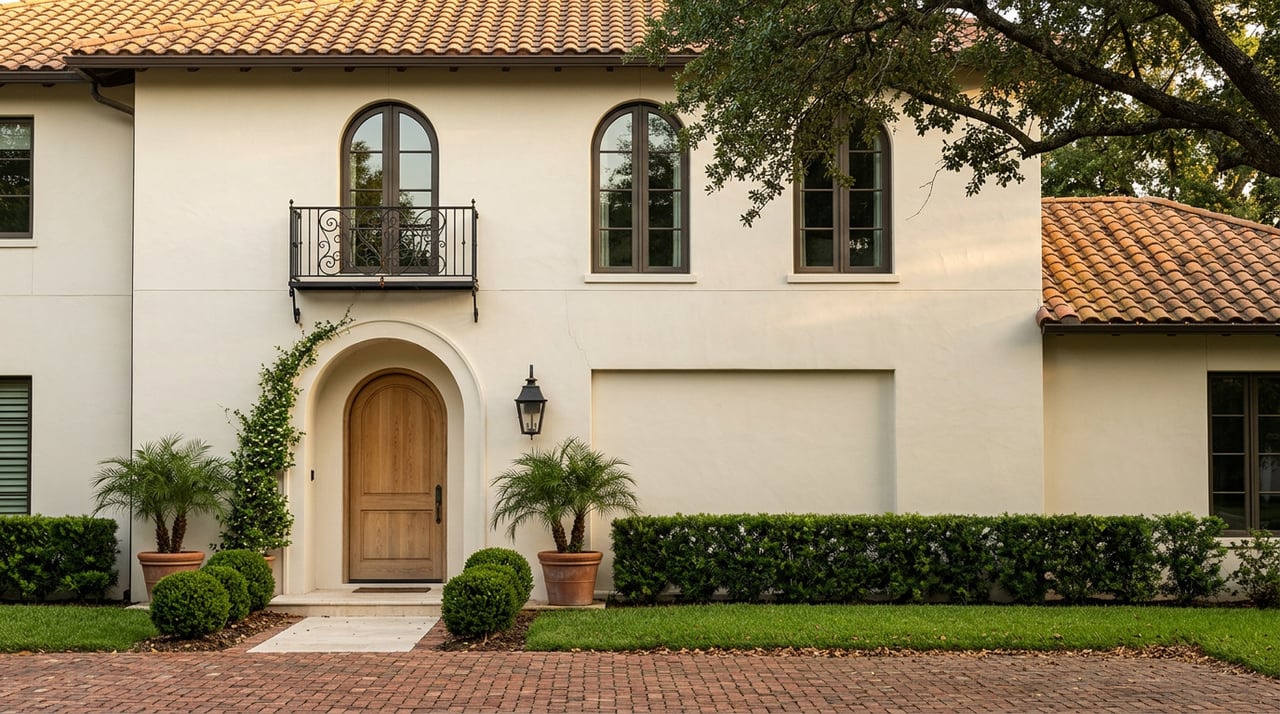
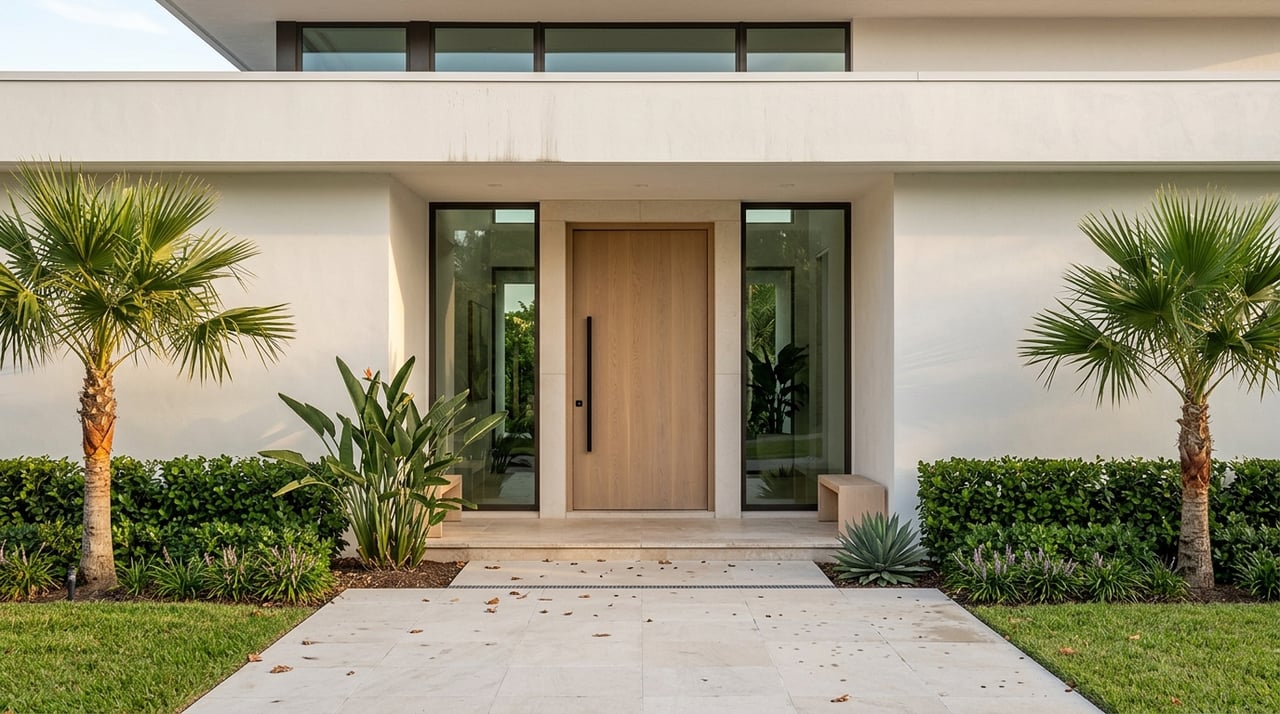
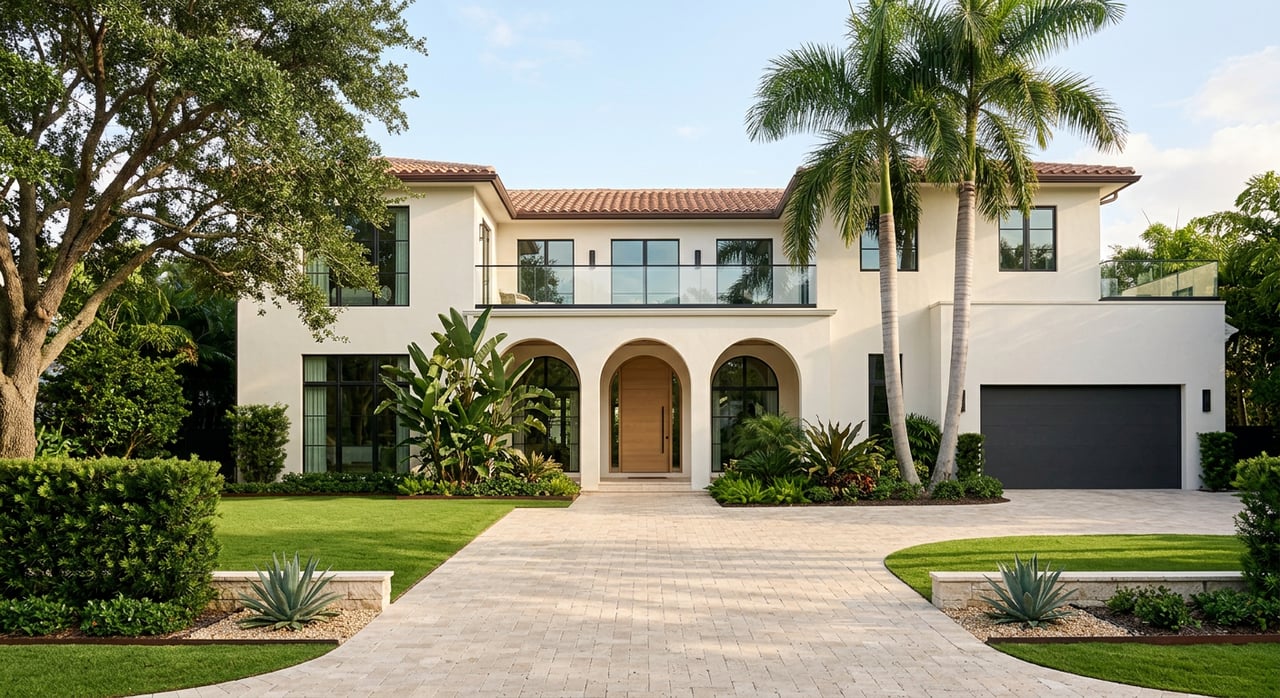
If you are drawn to character, Beach Park’s classic estates deliver it in spades. Many older homes offer thick masonry walls, stucco exteriors, high ceilings, tile or terrazzo, and established landscaping that newer builds cannot easily replicate. New construction in Beach Park tends to be high-end infill or custom homes that replace smaller older houses with modern floor plans, impact-rated openings, and systems designed for today’s coastal codes. Builders market Beach Park for its deeper lots and South Tampa address, which support luxury-scale plans and amenities. See how custom builders frame Beach Park as a new-build destination in this overview of Beach Park’s custom-home appeal.
Space, lots, and zoning
Beach Park’s larger lots are a major draw, especially on estate-style streets. Listing snapshots show frequent parcels in the 10,000 to 20,000 plus square foot range, including examples like deeper interior lots that attract custom builds. Here is an example of the scale buyers look for on Beachway Drive: estate-scale lot example. Zoning is also central. Much of Beach Park references the City of Tampa’s RS-75 single-family district standards for minimum lot size, setbacks, and lot splits. You can see RS-75 used in planning discussions within city agendas and staff reports that shape redevelopment decisions in Beach Park. Review RS-75 mentions in City of Tampa planning agendas.
What it means for you: larger lots are finite on the South Tampa peninsula, which helps support long-term values for estate parcels and custom-home sites. Zoning drives what you can build, how you can split, and which setbacks apply, so confirm the exact designation and dimensions before you write an offer.
Renovate or build new: cost, time, and risk
Cost ranges to expect
Renovations on vintage masonry homes often include system upgrades to electrical, plumbing, HVAC, and roofing to align with current code, plus any material mitigation if needed in older structures. New builds let you choose modern systems, energy performance, and layout from day one, but they require a larger up-front budget. Regional builder guides place custom new-construction ranges around 150 to 600 plus dollars per square foot in Tampa Bay, with many mid-range custom projects falling roughly in the 250 to 400 dollars per square foot bracket depending on finishes and coastal requirements. For planning, see these Tampa Bay build cost ranges from a local guide: Tampa Bay cost per square foot overview.
Flood zones and elevation
Parts of Beach Park lie within FEMA-designated Special Flood Hazard Areas. That status can affect your mortgage requirements, flood insurance, design choices, and the elevation of finished-floor height on a rebuild. Many listings note flood zone status at the parcel level. You can view a representative example of a Beach Park property that flags flood considerations here: Beach Park parcel flood-zone example. Buyers should also consider long-term climate and surge trends as a planning factor. Local research efforts continue to assess hurricane flood exposure and mitigation approaches around Tampa. Read more about current risk-assessment work in this USF coastal risk study.
Key takeaway: confirm your flood zone and elevation early, and build insurance quotes into your budget before you commit.
Permits and timeline
Permitting and inspections add time before ground breaks. For a custom home, a common range from initial design to move-in is about 10 to 18 months, depending on site complexity, elevation, and permitting speed. Teardown and rebuild projects add demolition and site work that can extend timelines. For a practical sense of sequencing and duration, review a builder’s perspective on custom-home schedules: custom-home timeline overview.
Long-term value drivers
- Scarcity of large lots on the South Tampa peninsula supports pricing power, particularly on deep or wide parcels.
- Proximity to Bayshore, Westshore, the airport, and downtown adds durable everyday convenience that many buyers prize.
- Ongoing redevelopment raises neighborhood ceilings as teardowns give way to luxury new builds, shifting comparable sales upward on certain blocks.
- Climate and flood exposure are long-term variables. Plan for mitigation, elevation, and insurance as part of ownership, and make choices that fit your risk tolerance, informed by evolving research and local planning.
Quick decision guide
If you lean classic estate, you likely want:
- Character features with solid masonry, established shade trees, and larger yards.
- A quicker move-in timeline, especially if updates are cosmetic rather than structural.
- The option to renovate over time while preserving original details.
- Privacy, outdoor living, and a quieter streetscape, even if that means fewer walkable retail spots.
If you lean new build, you likely want:
- A modern floor plan with today’s systems, impact-rated openings, and energy performance.
- Control over elevation and materials for flood resilience and lower near-term maintenance.
- A defined design-build process, even if it takes 10 to 18 months from start to finish.
- A location strategy that balances walkability and yard size within Beach Park’s lot patterns.
Due-diligence checklist for Beach Park buyers
- Confirm flood zone and elevation. Ask for the elevation certificate or order one, then get live flood insurance quotes early. Use parcel-level references to understand how flood status is flagged on Beach Park properties, like this parcel example.
- Verify lot dimensions and zoning. Confirm RS-75 or other zoning, setbacks, and any deed restrictions before you plan a teardown, addition, or split. City agendas show RS-75 as a common reference for Beach Park cases. See RS-75 mentions in City of Tampa planning agendas.
- Price your path. For new builds, use local per-square-foot ranges to form a budget, and add buffers for coastal requirements and finishes. Start with this Tampa Bay cost guide.
- Scope a systems audit for renovations. On older masonry homes, evaluate roof, foundation or slab, electrical, plumbing, HVAC, and termite status to estimate bring-to-code work.
- Map your timeline. Ask builders for a written schedule and permitting plan. A custom home often takes 10 to 18 months end to end. Reference a builder’s timeline overview.
- Study comps around redevelopment. Compare sales before and after nearby teardowns so you understand how new builds reset pricing on the block.
- Check schools and commute. Many addresses are zoned to nearby public schools like Plant High, but boundaries can change. Confirm attendance zones directly with the district and test-drive your daily route.
- Confirm neighborhood associations. Beach Park has active, voluntary neighborhood groups that support identity and stewardship. Review their activities through local sources like the Beach Park Women’s Club.
- Walk the block. Use the Walk Score map to compare address-level walkability to Bayshore and nearby amenities, then balance that against your yard and privacy goals.
Make your move with local insight
Choosing between a beloved Beach Park estate and a tailored new build is not just about the house. It is about how you want to live, the risks you are comfortable carrying, and the value you expect to protect over time. If you want a clear, side-by-side look at lots, flood profiles, comps, builder timelines, and off-market opportunities, let us curate it for you. Request a confidential consult with Bianca Lopez to compare your options and move forward with confidence.
FAQs
What defines a Beach Park estate vs a new build?
- Estates are older masonry homes with Mediterranean or traditional details, larger setbacks, and mature landscaping, while new builds are custom infill homes with modern plans, impact-rated openings, and systems designed to current coastal codes.
How walkable is Beach Park if I want daily runs on Bayshore?
- The neighborhood rates “Somewhat Walkable” overall, with stronger pedestrian access closer to Bayshore and certain corridors, and many residents use the Bayshore Linear Park corridor for daily runs and rides.
What zoning should I know before splitting a lot or rebuilding?
- RS-75 is a common single-family district in Beach Park that guides minimum lot size and setbacks, so verify your parcel’s designation and review City agendas for how RS-75 is applied in Beach Park cases.
What is a realistic custom-home timeline in Beach Park?
- A typical custom build runs 10 to 18 months from design to move-in, depending on complexity, permitting, and site work, with teardowns and elevation needs adding time.
What new-build cost per square foot should I budget?
- Tampa Bay custom builds often range from about 150 to 600 plus dollars per square foot, with many mid-level custom projects around 250 to 400 depending on finishes and coastal specs.
Do flood zones impact my Beach Park purchase or remodel?
- Yes. Many parcels fall within FEMA flood zones, which can affect insurance, loan requirements, materials, and the elevation of rebuilds, so confirm flood status and get quotes early.
Are there HOAs in Beach Park?
- Beach Park is largely organized around voluntary neighborhood groups rather than mandatory HOAs, so confirm any deed restrictions and association expectations on the specific property you are considering.