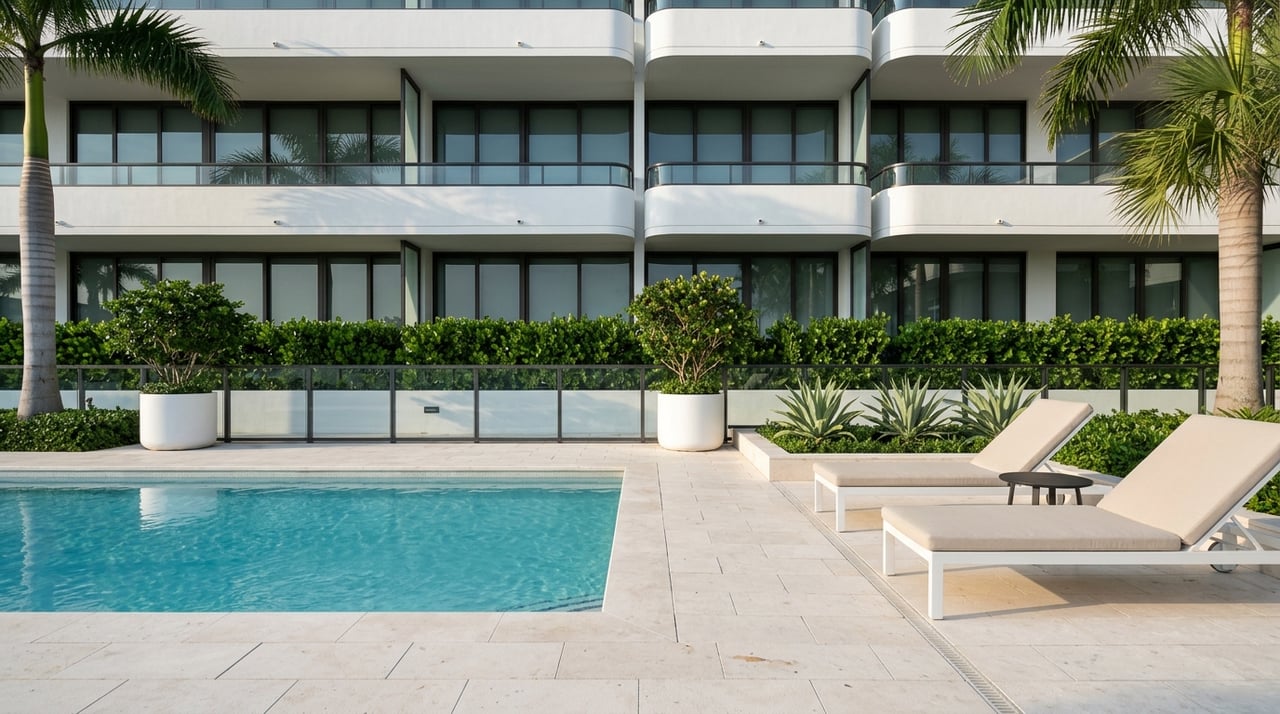
Choosing between Harbour Island and Downtown Tampa is not just about price or a view. It is about how you want your days to feel. If you are deciding between a quieter waterfront setting and a more walkable urban core, this guide will help you compare the lifestyle, convenience, housing options, and condo details that matter most. Let’s dive in.
Harbour Island lifestyle
Harbour Island offers a more tucked-away waterfront setting just next to the center of the city. It is known as a residential enclave with marina access, waterfront dining, sunset views, and easy connections back into downtown. According to The Pointe on Harbour Island, the area is built around a premier waterfront experience with restaurants, marina amenities, and views of Downtown Tampa.
That gives Harbour Island a different rhythm than the downtown core. You are close to major destinations, but your home base can feel more private and removed from the busiest streets. If you want luxury living with water nearby and quick access to city amenities, Harbour Island stands out.
Downtown Tampa lifestyle
Downtown Tampa is the city’s cultural and entertainment center. The area is anchored by the Tampa Riverwalk, a 2.4-mile path that connects parks, restaurants, museums, and public art through the urban core. You also have well-known arts and event destinations nearby, including the Tampa Museum of Art, Tampa Theatre, the Straz Center, and the Florida Museum of Photographic Arts.
In practical terms, downtown feels denser, busier, and more tied to Tampa’s event calendar. If you like being near restaurants, arts venues, nightlife, and public spaces that stay active throughout the week, downtown may feel like the stronger fit. It is often the better match for buyers who want energy right outside their front door.
Walkability and transit
If walkability is high on your list, downtown has a clear edge. Walk Score rates Harbour Island at 49 and labels it car-dependent, with a transit score of 44. A downtown Tampa location scores 86 with good transit, which points to a much easier time handling errands and outings on foot.
Downtown also benefits from the free TECO Line Streetcar, a 2.7-mile route that connects downtown, Channelside, and Ybor City with service every 15 minutes. For buyers who want to rely less on a car, that added transit access can make everyday life simpler.
Harbour Island is still very close to the action, but its convenience works differently. The City of Tampa notes that the Beneficial Drive Bridge is one of two bridges that connect Harbour Island to greater downtown, and the Harbour Island Complete Streets project is focused on safer movement for pedestrians and cyclists. In other words, you can access downtown quickly, but you are not living in the most transit-rich part of the urban core.
Housing style and amenities
The housing experience is one of the biggest differences between these two areas. Harbour Island tends to emphasize gated, marina-oriented, and waterfront-adjacent living. A Parkcrest Harbour Island HOA listing highlights features such as gated access, a spa, community pool, boat slips and dock, clubhouse, fitness center, and 24-hour guard service.
That amenity mix supports a more private, residential lifestyle. It may appeal to you if you want a lower-maintenance home with upscale comforts and close proximity to the water. It also aligns well with buyers who value a lock-and-leave setup without giving up premium surroundings.
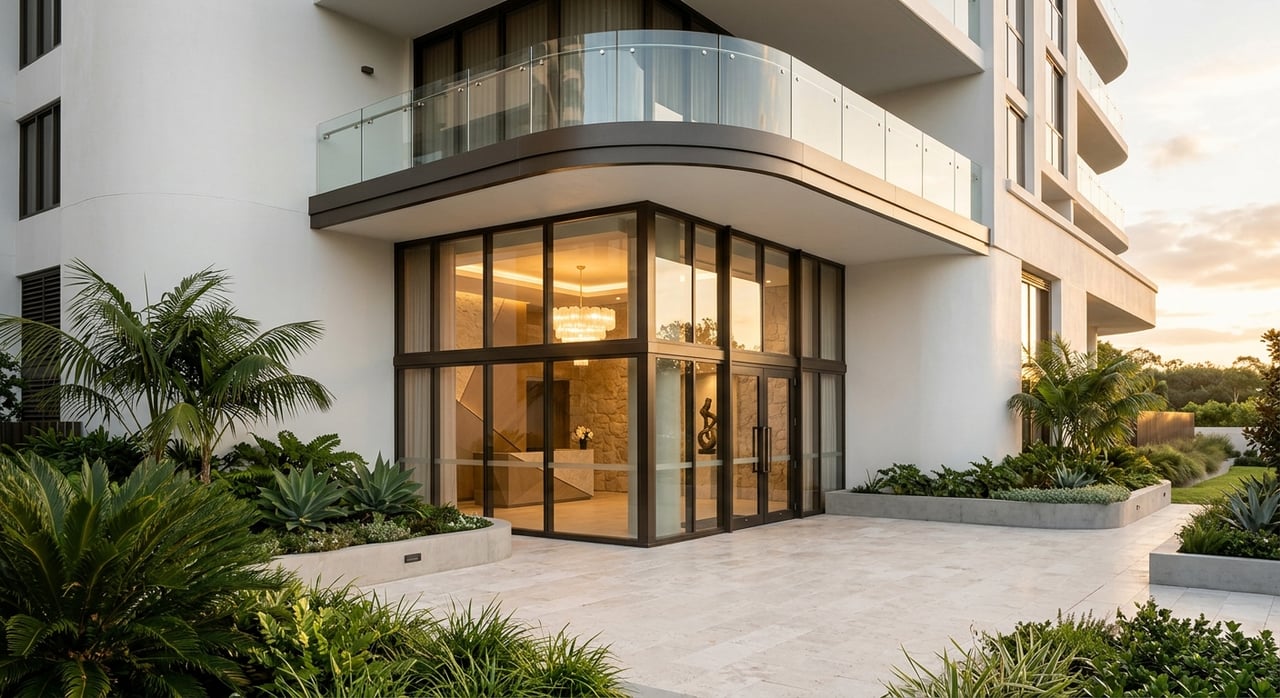
Downtown luxury towers often lean more heavily into hospitality-style amenities and shared spaces designed for entertaining or work-from-home convenience. The research report notes that ONE Tampa advertises features like a skyline pool and spa, pet park, two-level fitness center, business lounge, social clubroom, private dining room, theater room, guest suites, and a bistro. If you want a high-rise lifestyle with more social and work-friendly common areas, downtown may be more appealing.
Pricing and market context
Pricing between Harbour Island and Downtown Tampa can be hard to compare directly because housing types vary. Still, the available data gives a useful directional view. Zillow’s Harbour Island home value data shows an average home value of $544,961 and a median list price of $645,950 as of March 31, 2026, while Redfin reports a March 2026 median sale price of $562,000 and a median price per square foot of $489.
For downtown, the research report notes that Zillow shows an average home value of $432,838, while Realtor.com reports 64 active listings with a median listing price of $1,254,824 and a median price per square foot of $1,342. Because these figures come from different platforms and different mixes of homes, they should be read as broad signals rather than exact side-by-side equivalents.
The takeaway is simple. Both Harbour Island and downtown are premium submarkets, but the type of product you choose can affect the numbers as much as the neighborhood itself. Your best comparison is not just area versus area. It is building versus building, monthly carrying costs versus amenities, and lifestyle value versus headline price.
Which lifestyle fits you?
Your ideal choice depends on how you want to live day to day. Harbour Island is often the better fit if you want a more residential waterfront base with marina access and easy proximity to downtown without being in the middle of it. Downtown is often the stronger fit if you want maximum walkability, arts and dining nearby, and better transit connections.
A simple way to think about it is this:
- Choose Harbour Island if you want a quieter luxury setting, a marina-oriented atmosphere, and a residential feel near the city center.
- Choose Downtown Tampa if you want a more urban routine, stronger walkability, and easier access to restaurants, culture, and transit.
The research report also suggests that downtown may suit relocating executives who want day-to-day efficiency, while Harbour Island may feel more comfortable for buyers seeking a quieter waterfront setting. Those are not hard rules, but they are helpful signals when you are narrowing your search.
Condo due diligence matters
If you are buying a condo in either Harbour Island or downtown, lifestyle should only be part of the decision. You also need to review the association carefully. According to Florida Realtors’ condominium guidance, sellers are required to provide documents such as the declaration, bylaws, most recent financial statement and annual budget, milestone inspection report, structural integrity reserve study or a statement that it has not been completed, and the turnover inspection report if applicable.
Florida Realtors also notes that buyers generally have a seven-business-day cancellation window after receiving the required documents. That gives you a chance to review not only the monthly dues, but also the broader financial and operational condition of the building. In many cases, that review can be just as important as the floor plan or the view.
Reserve funding is now a major issue in Florida condos. The Florida Department of Business and Professional Regulation states that associations required to complete a structural integrity reserve study generally may not vote to waive or reduce reserves for the covered items in budgets adopted on or after December 31, 2024, except in narrow circumstances. The same guidance explains that SIRS is generally required at least every 10 years for buildings with three habitable stories or more.
That means your review should go deeper than surface-level amenities. As you compare buildings in Harbour Island or downtown, pay close attention to:
- Current budget and financial statements
- Reserve study status
- Milestone inspection reports
- Insurance declaration pages
- Pending or recent assessments
- Recent board meeting minutes
- Rules on pets, parking, rentals, vehicles, and noise
These details can shape both your monthly ownership experience and your long-term costs. In amenity-rich or older buildings, they are especially important.
Final thoughts
There is no one-size-fits-all winner in the Harbour Island versus downtown conversation. Harbour Island offers a more secluded waterfront feel with easy access to the city, while downtown offers stronger walkability, transit, and a more active urban experience. The right choice comes down to how you want to spend your time, what kind of home environment feels best to you, and how carefully the numbers and building details line up with your goals.
If you want help comparing luxury condos, marina-adjacent residences, or select off-market opportunities near downtown Tampa, Bianca Lopez offers a highly tailored approach rooted in local insight and white-glove service.
FAQs
Is Harbour Island or Downtown Tampa better for walkability?
- Downtown Tampa is more walkable based on Walk Score data, with a downtown score of 86 compared with Harbour Island’s 49.
Is Harbour Island or Downtown Tampa better for waterfront living?
- Harbour Island is more closely associated with a residential waterfront and marina-oriented lifestyle, including marina access, waterfront restaurants, and water views.
Are condos on Harbour Island and in Downtown Tampa similar in amenities?
- Not always. Harbour Island often emphasizes gated and waterfront-focused amenities, while downtown towers may offer more hospitality-style features like business lounges, guest suites, and social spaces.
What condo documents should you review before buying in Tampa?
- You should review association documents such as the declaration, bylaws, financial statements, annual budget, milestone inspection report, reserve study information, insurance pages, and recent meeting minutes when available.
Is Downtown Tampa or Harbour Island better for a quieter home base?
- Harbour Island is generally the stronger fit if you want a more residential setting that stays close to downtown without being in the densest part of the urban core.