Wondering whether a Ballast Point property is a smart renovation, a likely teardown, or a better pass altogether? In this part of South Tampa, that answer often comes down to more than the house itself. Lot width, zoning, flood rules, tree canopy, and neighborhood fit can all shape whether a new build is practical and worthwhile. If you are weighing a purchase, planning a sale, or sizing up a redevelopment opportunity, this guide will help you focus on the details that matter most. Let’s dive in.
Why Ballast Point draws new-build interest
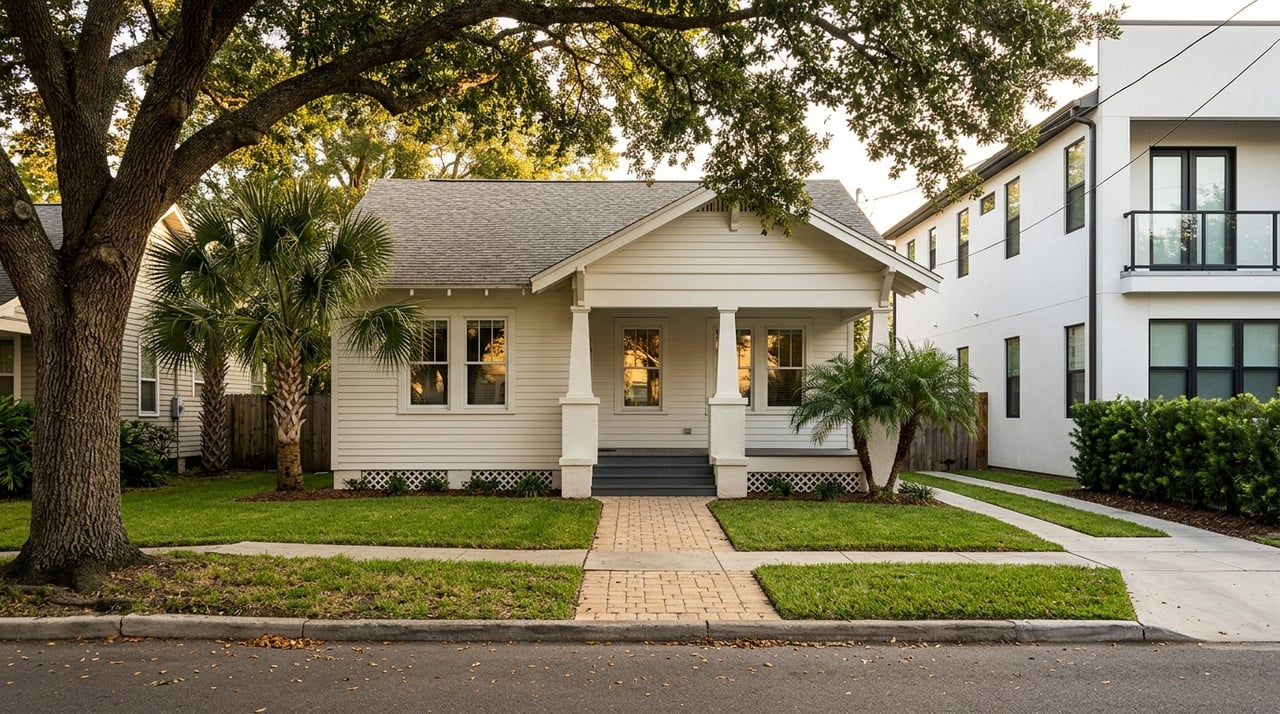
Ballast Point has a distinct identity within Tampa. The City of Tampa describes the neighborhood as a place with historic homes, renovations, large porches, and convenient access to downtown. Its neighborhood plan also emphasizes a low-density, low-rise residential character, mature trees, and a waterfront feel.
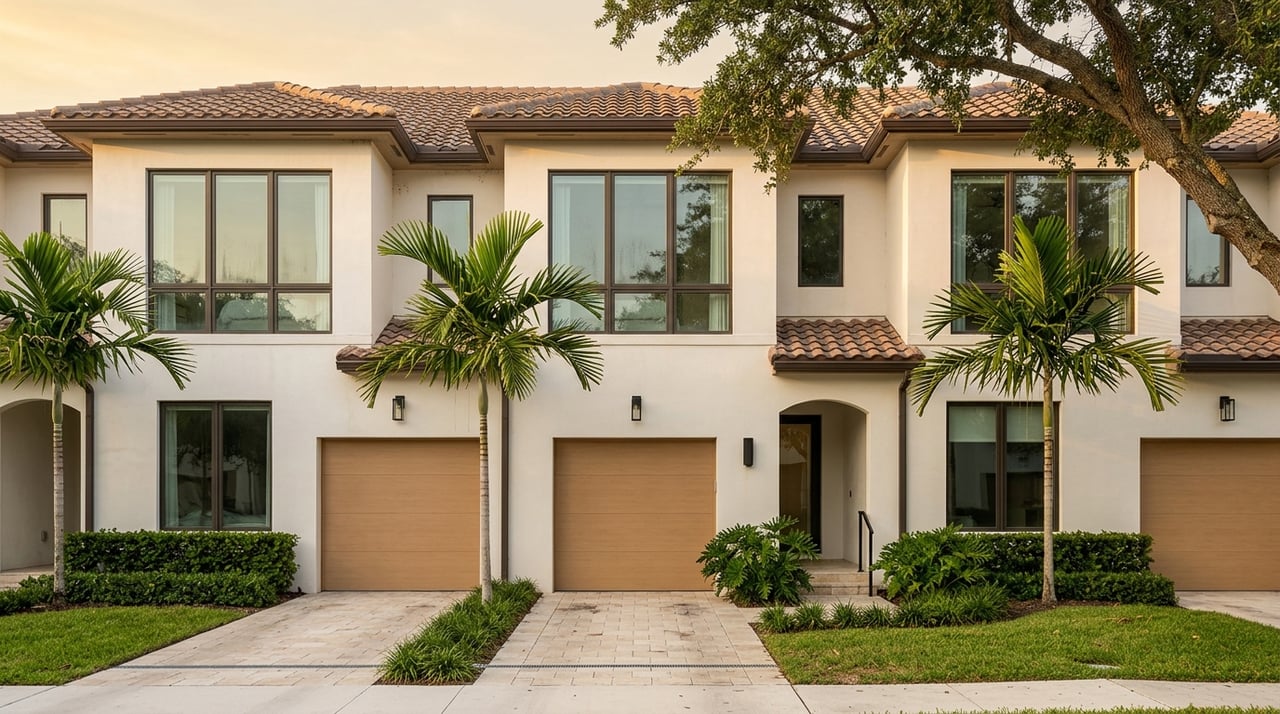
That combination helps explain why teardown and new-build activity gets so much attention here. Buyers are often drawn to the location and lot potential, while owners and investors look at whether a replacement home can better match current expectations for layout, elevation, and finish. In Ballast Point, the best new construction usually works with the neighborhood’s character instead of trying to overpower it.
What makes a teardown candidate
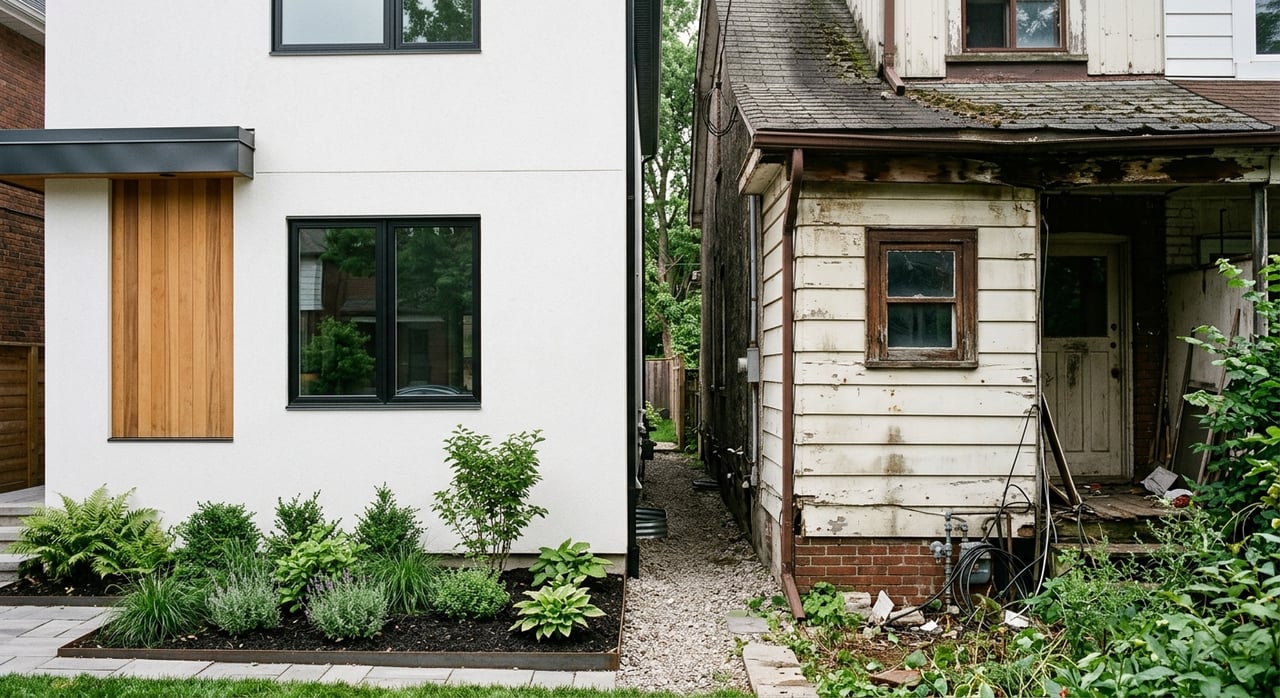
Not every older home in Ballast Point should be torn down. In many cases, the most likely teardown candidates are older single-family properties where the lot can support a compliant detached home and where major renovation costs start to rival or exceed replacement value.
A property may deserve a closer look if the existing structure has flood-related challenges, storm-damage concerns, or design limitations that are hard to solve through renovation. Tampa’s hurricane guidance notes that in Flood Zones AE, Coastal A, and VE, repairs can trigger flood-resistant construction standards under the 50 percent substantial-improvement rule if proposed work exceeds 50 percent of the structure’s depreciated value. In plain terms, some renovations can become rebuild-level projects faster than owners expect.
Ballast Point also is not one of Tampa’s designated local historic districts. That matters because most teardown decisions here are shaped by zoning, flood, tree, and permitting requirements rather than local historic-district design review.
Start with the lot, not the house
In Ballast Point, the lot often tells you more than the existing home. Tampa’s zoning code sets minimum lot area, lot width, and maximum height for detached single-family homes in residential districts such as RS-50, RS-60, RS-75, RS-100, and RS-150.
That means a teardown opportunity is only as good as the parcel’s ability to support the home you want to build. A house that looks outdated may still sit on a strong lot. On the other hand, a charming address can become far less appealing if width, frontage, or setbacks limit what can be built.
Key lot questions to ask
Before you get too attached to a property, it helps to ask a few practical questions:
- Does the lot have enough width and area for the intended home under the current zoning district?
- Is it a legal lot of record, even if it is nonconforming?
- Is it a corner lot or subject to a special street setback?
- Are there adjacent nonconforming lots under the same ownership that may need to be combined?
Tampa measures lot width from the rear of the required front yard, and the lot must extend deeply enough to satisfy 50 percent of the minimum lot area requirement. The code also allows a single nonconforming lot of record to host a single-family dwelling in certain cases, provided it is not in continuous frontage with other lots in the same ownership.
Verify zoning before you price the project
Zoning verification should happen early, not after you have already built a budget in your head. Tampa directs property owners and buyers to use the official zoning map by address or tax folio number and then confirm the district requirements in Chapter 27 of the municipal code.
This step helps you confirm whether the parcel is in a standard single-family district, affected by an overlay, or subject to an exception area. It also helps clarify whether your assumptions about setbacks, height, and lot standards are actually supported by the property’s zoning.
A practical Ballast Point diligence checklist
If you are evaluating a teardown or new-build site, this is a smart place to start:
- Verify the zoning district and any overlay on Tampa’s official zoning map.
- Confirm whether the lot is conforming, nonconforming, or a lot of record.
- Check for special street setback requirements.
- Determine whether your plan depends on an accessory dwelling unit.
- Budget for demolition, tree, and right-of-way permits from the outset.
One item that often surprises buyers is the accessory dwelling question. Tampa says ADUs are allowed only in Seminole Heights, the area around Lowry Park, the East Tampa Overlay, and the Tampa Heights Overlay. In Ballast Point, extra residential units are generally not handled through the standard ADU framework.
Flood review can change the math fast
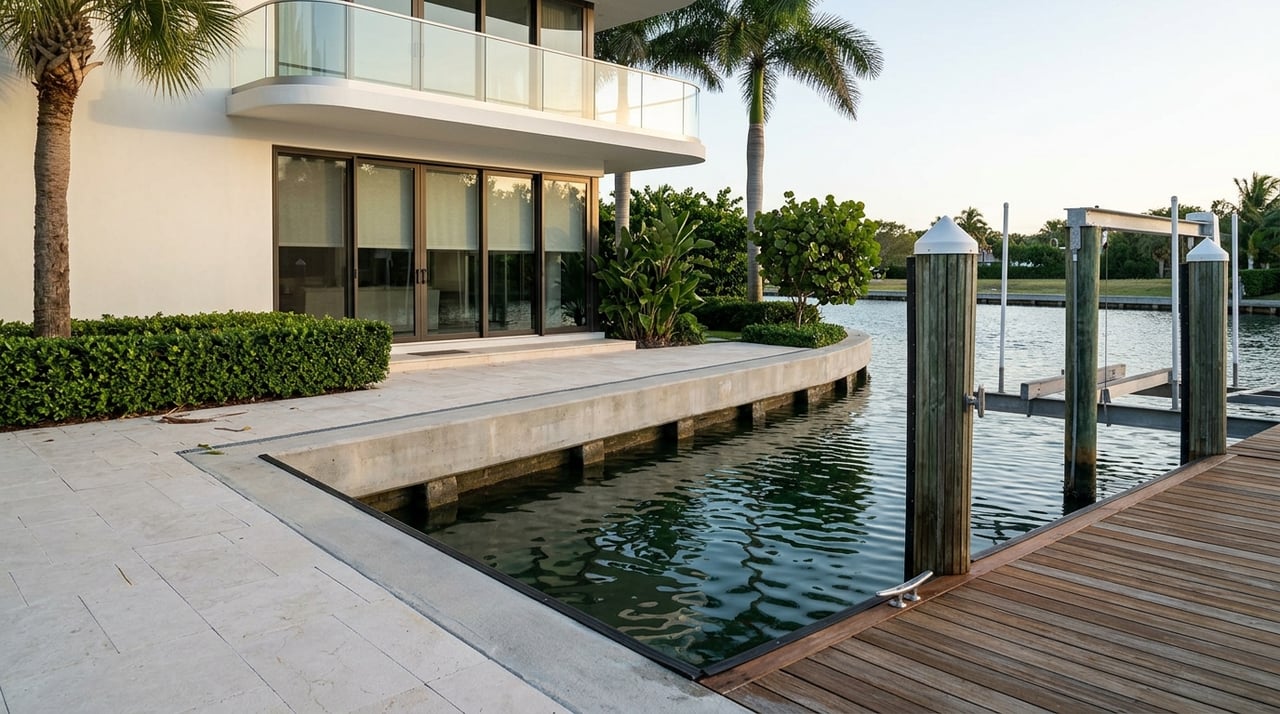
Because Ballast Point sits along Hillsborough Bay, flood review is a major part of feasibility. Tampa requires development in flood hazard areas to meet flood standards, and the city’s residential new-construction guide requires site plans, topographic surveys, and flood-zone identification before review.
Flood-zone details can directly affect what you build and how you build it. In AE and unnumbered A zones, enclosures below the Design Flood Elevation must remain unfinished and unconditioned. In Coastal A and VE zones, the rules are stricter and include limits such as no shear walls and no structural fill.
This is one reason teardown decisions can become practical, not just aesthetic. If an older home needs extensive work and flood compliance pulls costs higher, a fresh start may offer a clearer path than trying to retrofit an outdated structure.
Trees are part of the value
In Ballast Point, mature trees are not just background scenery. The neighborhood plan identifies mature trees and grand oaks as defining features, and it states that trees should be protected by law.
That means tree strategy belongs in your early feasibility review. Tampa says trees 5 inches DBH or larger require a removal permit, and grand trees 32 inches DBH or larger can trigger special public review. For future construction, tree removal is reviewed through the building permit process when trees marked for removal appear on the site plan.
For buyers and developers, this affects both design and budget. Tree preservation, mitigation, and possible tree-fund payments can all shape where the house sits, how the driveway works, and how much site work costs.
Demolition and site work are not side notes
A teardown budget should include more than purchase price and vertical construction. Demolition, clearing, utility coordination, and work in the public right-of-way can all affect timing and cost.
Tampa notes that construction, driveway, and utility work within rights-of-way is regulated through permits. That may sound administrative, but it matters in real life because access, curb work, and site logistics can all influence your schedule.
The smoother projects in Ballast Point tend to treat permitting as part of the investment thesis from day one. When those items get pushed to the end, timelines and budgets often become harder to control.
Design matters as much as square footage
In Ballast Point, bigger is not always better. The neighborhood’s official planning materials favor low-rise homes, mature canopy, and an old-Florida feel that includes porch-forward design and a comfortable relationship to the street.
That makes context-sensitive design especially important. A well-executed new build that respects setbacks, elevation needs, garage placement, tree canopy, and front-porch proportions is often more compelling than a house that simply maximizes mass.
For resale, that balance matters. Buyers shopping Ballast Point are often looking for a home that feels current and functional while still fitting the neighborhood’s established rhythm.
What resale examples suggest
Recent public sales examples show a notable spread between renovated older homes and newer construction in Ballast Point. A renovated 1962 home on about 0.26 acres sold for $525,000 in January 2026, while a 2024-built home on a similar 0.26-acre scale sold for $925,000 in September 2025.
Another Ballast Point new-construction sale listed on public portals closed at $1,441,300 for a 3,636-square-foot home on an 8,712-square-foot lot. These examples do not mean every new build will command the same premium. They do suggest that buyers in the area will often pay substantially more for newer homes when the lot, scale, and finish level align with South Tampa expectations.
That gap is one reason teardown analysis matters so much. If the lot works and the home design fits the neighborhood, replacement can create a very different resale profile than a basic renovation.
What sellers should consider
If you own an older Ballast Point home, the highest-value path may not be obvious at first glance. Some properties are best positioned as move-in-ready resales after selective updates. Others may attract more interest as lot-driven opportunities for buyers who want to build new.
The right strategy usually depends on zoning, lot dimensions, flood exposure, tree constraints, and how the current structure compares with what the site could support. Positioning matters too. In a neighborhood where location and lot quality carry real weight, a property can appeal to very different buyer pools depending on how it is presented.
Why long-term confidence still matters
Public investment can support confidence in an area over time. Tampa’s FY2026 to FY2030 capital plan includes a Ballast Point Infrastructure Upgrades project, which signals continued city attention to neighborhood streets and systems.
That does not replace parcel-level diligence, but it adds useful context. For buyers, builders, and sellers alike, Ballast Point remains a neighborhood where location, character, and thoughtful redevelopment continue to matter.
If you are considering a teardown, evaluating a new-build site, or deciding how to position a Ballast Point property for sale, local judgment is essential. The right opportunity is rarely about one headline feature. It is about how zoning, flood requirements, trees, design, and resale potential come together on one specific lot.
If you want a neighborhood-first perspective on Ballast Point opportunities, connect with Bianca Lopez for discreet guidance on South Tampa properties, curated new-construction opportunities, and lot-specific positioning.
FAQs
What makes a Ballast Point home a likely teardown candidate?
- A likely teardown candidate is usually an older single-family home where lot geometry, flood or storm compliance, and major renovation costs make replacement more practical than preserving the existing structure.
What zoning issues matter for Ballast Point new builds?
- The key zoning issues include the parcel’s zoning district, minimum lot width and area, maximum height, special street setbacks, and whether the property is conforming or qualifies as a legal lot of record.
What flood rules affect new construction in Ballast Point?
- Ballast Point new construction may need site plans, topographic surveys, and flood-zone identification, and properties in AE, A, Coastal A, or VE areas can face specific elevation and structural requirements.
Are accessory dwelling units allowed in Ballast Point?
- Tampa says ADUs are allowed only in specific areas such as Seminole Heights, the area around Lowry Park, the East Tampa Overlay, and the Tampa Heights Overlay, so Ballast Point does not fall under the city’s standard ADU allowance.
How do trees affect teardown and build plans in Ballast Point?
- Trees can affect layout, permitting, and budget because significant tree removal is regulated, grand trees can trigger special review, and mitigation or tree-fund payments may apply.
Do new builds sell for more than renovated homes in Ballast Point?
- Public sales examples show that newer Ballast Point homes can command a meaningful premium over renovated older homes when the lot, scale, and finish level fit buyer expectations in South Tampa.