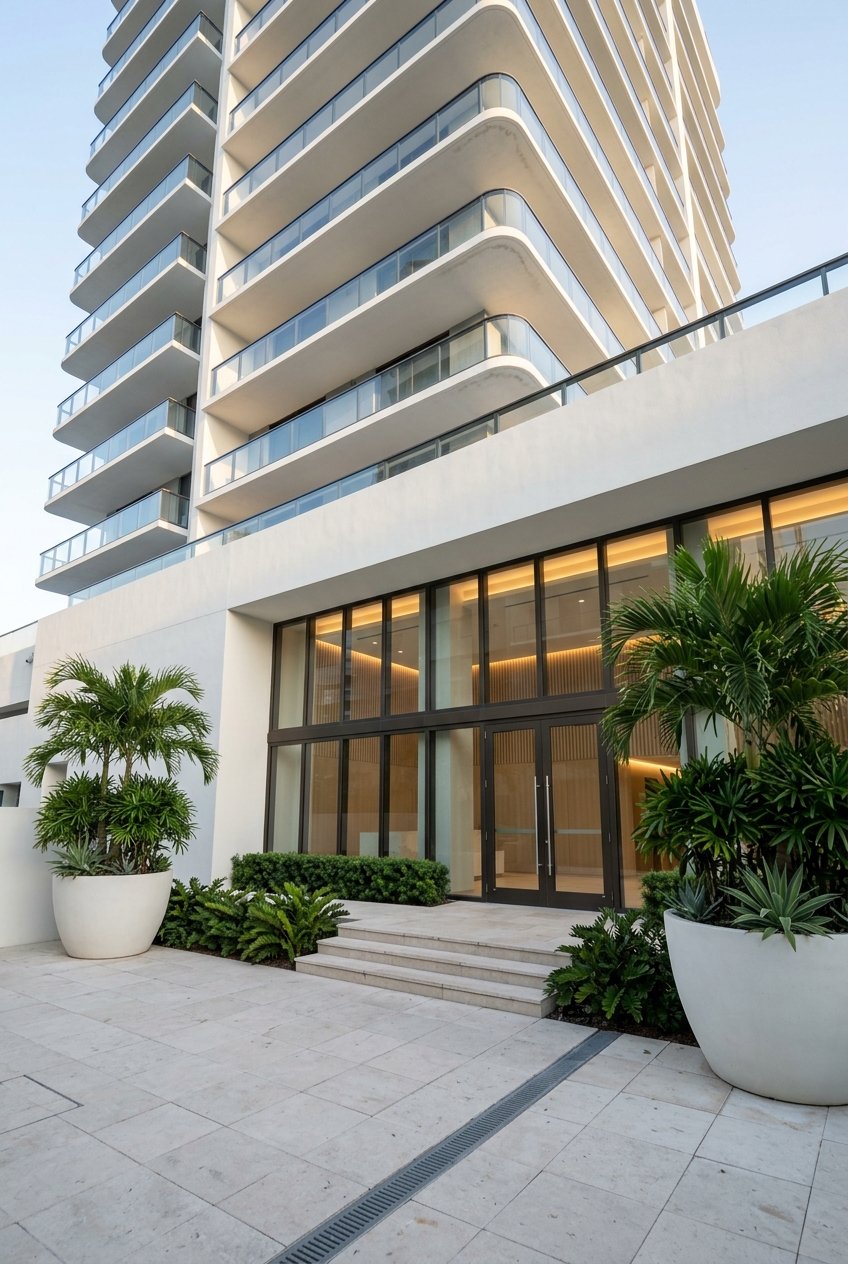
Buying a pre-construction condo in Downtown Tampa can feel exciting right up until the paperwork starts. You are not just choosing a view, a floor plan, or an amenity package. You are also evaluating timelines, escrow rules, developer filings, budgets, and the fine print that shapes what you are really buying. This guide will help you approach the process with more clarity and confidence, so you can make a smart decision before you commit. Let’s dive in.
Why Downtown Tampa Takes Extra Context
Downtown Tampa is not one uniform condo market. The area includes the Downtown Core, Channel District, River Arts, West Riverfront, and Water Street Tampa, each with a slightly different feel and mix of uses.
That matters when you are comparing pre-construction opportunities. In this part of Tampa, value often comes from both the building itself and the surrounding neighborhood mix, such as Riverwalk access, nearby dining, public spaces, the arena, and the convention center.
It also matters that Downtown Tampa is still evolving. The development pipeline continues to add supply, including major mixed-use projects in north downtown, so buyers are often making decisions before a submarket is fully built out.
Start With the Right Mindset
When you buy pre-construction, you are buying a future delivery. Renderings, model finishes, and sales presentations can help you picture the end result, but they are not the same as the legal documents that define your rights and the developer’s obligations.
A strong approach is to treat the purchase like both a lifestyle choice and a document-driven investment decision. You want the excitement of a new tower, but you also want to understand exactly how deposits are handled, what is included, when closing can happen, and what can change along the way.
Understand the Florida Reservation Stage
In Florida, a developer can accept reservation deposits before condominium documents are filed, but only under specific rules. The developer must have an ownership, leasehold, or contractual interest in the land and must file a reservation program with the state division, including an escrow agreement and reservation form.
For you, the key takeaway is simple. Reservation funds must be held in escrow and are refundable if you make a written request.
That is an important distinction in a fast-moving downtown launch. Your reservation money is not supposed to go straight to the developer at that stage, and the escrow agent, not the developer, controls those funds.
What to confirm before reserving
- The name of the escrow agent
- That your reservation funds are being held in escrow
- The written terms for refunds
- When a reservation converts into contract deposits
Know How Purchase Deposits Work
Once you move from reservation to contract, deposit handling becomes even more important. If the building is not substantially complete, up to 10% of the sale price must stay in escrow.
Deposits above that 10% can sometimes be used for construction and development costs, but only if the contract specifically allows it and only after construction begins. Even then, those funds are limited to actual construction-related costs such as permits, impact fees, utility reservation fees, and engineering work.
They cannot be used for things like sales commissions, marketing, or loan costs. If the contract allows excess deposits to be used for construction, the first page must include a bold warning saying so.
Why this matters in Downtown Tampa
In a market where buyers may commit early to secure a preferred line, floor, or view, deposit structure can shape your risk. Before you sign, make sure you understand which funds remain protected in escrow and whether any excess deposit may be used during the build.
Review the Full Document Package
For larger condo projects, the developer must provide a prospectus or offering circular, a separate FAQ sheet, and related financial information before entering into an enforceable contract. This package is where the real story lives.
It should identify the developer and the principal directing the project, describe the building and common areas, explain whether the condominium is fee simple or leasehold, and disclose whether amenities are owned, leased, or shared. It also includes the form contract, floor and plot plans, restrictions, and the estimated operating budget.
If you only remember one thing, remember this: read the documents before treating the sales center as the full picture.
Documents worth your full attention
- Prospectus or offering circular
- FAQ sheet
- Estimated operating budget
- Declaration and bylaws
- Form purchase contract
- Floor plans and plot plans
- Disclosures about land control and shared facilities
Focus on the Clauses That Shape Your Ownership
Every pre-construction condo contract deserves careful review, but a few areas are especially important for Downtown Tampa buyers.
Completion timing and phase risk
The offering materials must state the estimated latest completion date or tell you where to find that date in the contract. If the project will be built in phases, or if one association may manage more than one condominium, that structure should also be disclosed.
This matters because your timeline, views, building operations, and even the feel of the property can be affected by future phases.
Amenity ownership and lease terms
Do not assume every amenity shown in marketing materials is actually owned by the condominium. Pools, fitness spaces, club rooms, rooftop areas, parking, and other shared spaces may be owned by the condo, leased from a third party, or shared with another property.
If an amenity is leased, the lease terms and rent exposure must be disclosed. That detail can affect future costs and your day-to-day ownership experience.
Restrictions and use rights
The required FAQ should explain leasing restrictions, unit-use restrictions, assessment basics, and whether recreational-facility leases or club memberships could create added charges.
If you plan to use the condo as a primary residence, part-time residence, or future rental, these rules deserve close attention before you sign.
Flood and insurance disclosure
Florida condo sale contracts must include a flood-insurance warning and statements about the developer’s knowledge of flooding, flood claims, and flood-assistance history. In a waterfront-adjacent downtown market, that disclosure is especially relevant.
Budget drift
If closing occurs more than 12 months after the offering circular is filed, the developer must provide a current operating budget at closing. That is a useful checkpoint if your purchase stretches over a long construction timeline.
Separate Tower Amenities From Neighborhood Amenities
One of Downtown Tampa’s biggest selling points is the lifestyle around the building. In areas like Water Street Tampa and the Downtown Core, the appeal often includes walkability, Riverwalk access, nearby restaurants, public programming, and major downtown destinations.
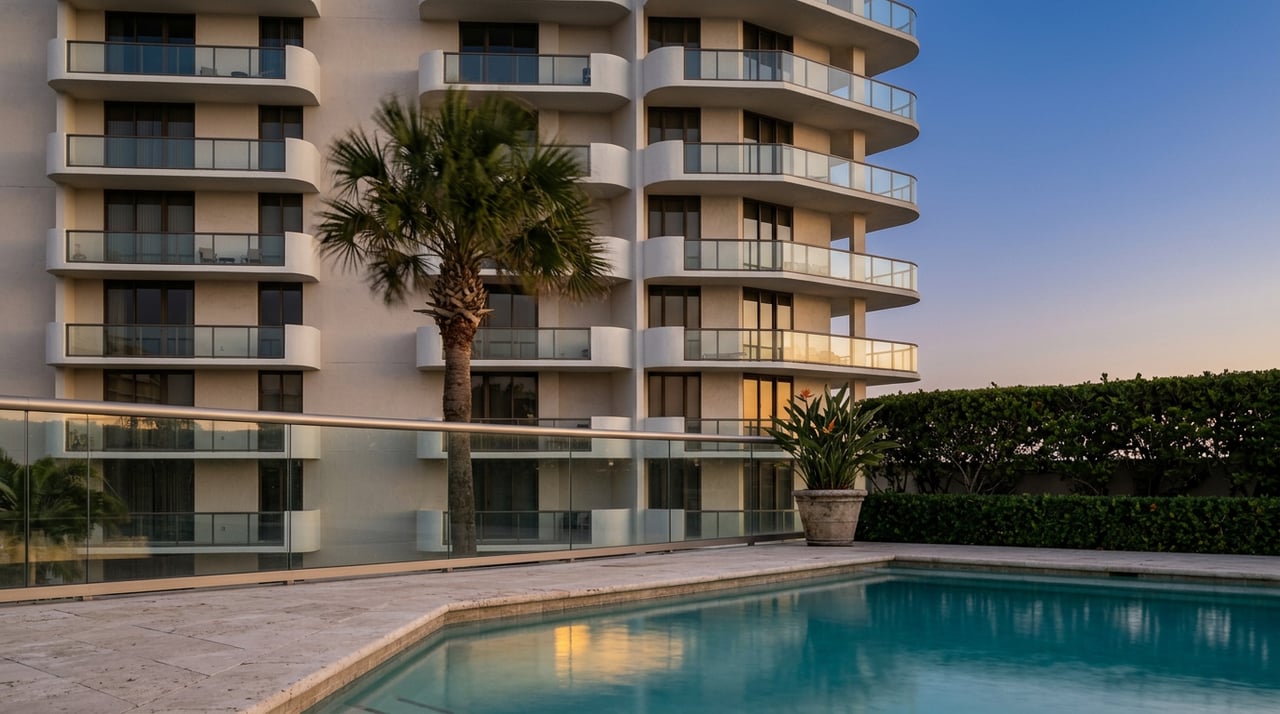
That lifestyle can be a real advantage, but it is different from ownership rights inside the condominium. A rooftop pool that is part of the condo documents is not the same as a nearby public amenity or a third-party venue across the street.
When you compare projects, separate these two buckets:
- Building amenities: What the condominium actually owns, leases, or shares
- Neighborhood amenities: What you can enjoy nearby but do not control through condo ownership
That distinction can help you compare monthly costs, long-term value, and what you are truly paying for.
Verify the Developer and Public Record Trail
A polished presentation is not the same thing as a completed diligence file. Before you move forward, confirm the basics through public records.
In Florida, you can verify the developer entity and registered agent through Sunbiz, review contractor licensing through the state license search, and check City of Tampa permits and inspections through the city’s construction services system. Hillsborough County records can also help you confirm legal descriptions, ownership maps, recorded documents, and court history.
A simple due diligence checklist
- Confirm the developer entity and registered agent
- Check contractor licensing status
- Review permit and inspection activity with the City of Tampa
- Confirm land ownership or control shown in the offering
- Review recorded documents and any relevant litigation history
Understand Your Cancellation and Closing Rights
In Florida, a new-construction condo contract must include a 15-day buyer voidability period after contract execution and receipt of the required developer documents. If a later amendment materially and adversely changes the offering, you also get another 15-day cancellation right.
You may also extend closing by up to 15 days after receiving the required materials. These rights are meaningful, especially if the document package arrives late, the offering changes, or you need more time to review what has been delivered.
Also keep in mind that the state’s review of condo filings is about sufficiency and disclosure compliance. It is not a stamp of quality or an endorsement of the project.
For Newly Delivered Buildings, Update Your Review
If the condo is already delivered or close to turnover, your checklist should expand. Florida now requires certain disclosure about milestone-inspection, turnover-inspection, and structural-integrity-reserve-study materials in contracts entered after December 31, 2024.
For buildings three habitable stories or higher, milestone inspections and structural integrity reserve study rules can become a significant part of long-term ownership planning. For many owner-controlled associations subject to these reserve study requirements, required reserve items generally cannot be waived or underfunded in budgets adopted on or after December 31, 2024.
If you are buying in a newly delivered tower, ask for the latest budget and any available reserve study or inspection materials before you waive contingencies.
A Practical Downtown Tampa Buyer Approach
Pre-construction can be a smart path if you want new inventory, a strong location, and the chance to secure a unit before delivery. The key is to stay grounded in the documents and the local context.
A thoughtful approach usually looks like this:
- Identify the downtown submarket you actually want, not just the building name.
- Confirm how much of the appeal comes from the tower versus the surrounding neighborhood.
- Verify reservation and deposit protections in writing.
- Read the prospectus, FAQ, budget, and form contract closely.
- Check amenity ownership, use restrictions, and phase plans.
- Review the public-record trail behind the developer, land, permits, and contractor.
- Re-check budgets and disclosures if the timeline extends or the offering changes.
In a market as dynamic as Downtown Tampa, the buyers who do best are often the ones who combine excitement with discipline.
If you are exploring a pre-construction or newly delivered condo downtown and want a more curated, high-touch view of the options, Bianca Lopez can help you evaluate inventory, documents, and location fit with a Tampa-native perspective.
FAQs
What should you review before buying a pre-construction condo in Downtown Tampa?
- You should review the prospectus or offering circular, FAQ sheet, estimated budget, form contract, floor and plot plans, deposit terms, amenity ownership details, and the project’s completion structure.
How are reservation deposits handled for Downtown Tampa pre-construction condos?
- In Florida, reservation funds must be held in escrow under an approved reservation program and are refundable on written request.
Can a developer use your deposit during a Downtown Tampa condo build?
- Up to 10% of the sale price must remain escrowed if the building is not substantially complete, while amounts above that may be used for certain construction and development costs only if the contract clearly allows it.
Why do amenity details matter in a Downtown Tampa condo contract?
- Amenity details matter because some spaces may be owned by the condominium, while others may be leased or shared, which can affect future costs, control, and how the property operates.
What cancellation rights do you have when buying a new condo in Florida?
- A buyer generally has a 15-day voidability period after signing and receiving the required documents, plus another 15-day cancellation right if a later amendment materially and adversely changes the offering.
How do you evaluate a condo developer for a Downtown Tampa purchase?
- You can review the developer entity, contractor licensing, permit activity, land control, recorded documents, and any relevant court or official records to better understand the project’s background.
What should you ask for in a newly delivered Downtown Tampa condo building?
- You should ask for the latest budget and, where applicable, any milestone-inspection, turnover-inspection, or structural-integrity-reserve-study materials before finalizing your decision.