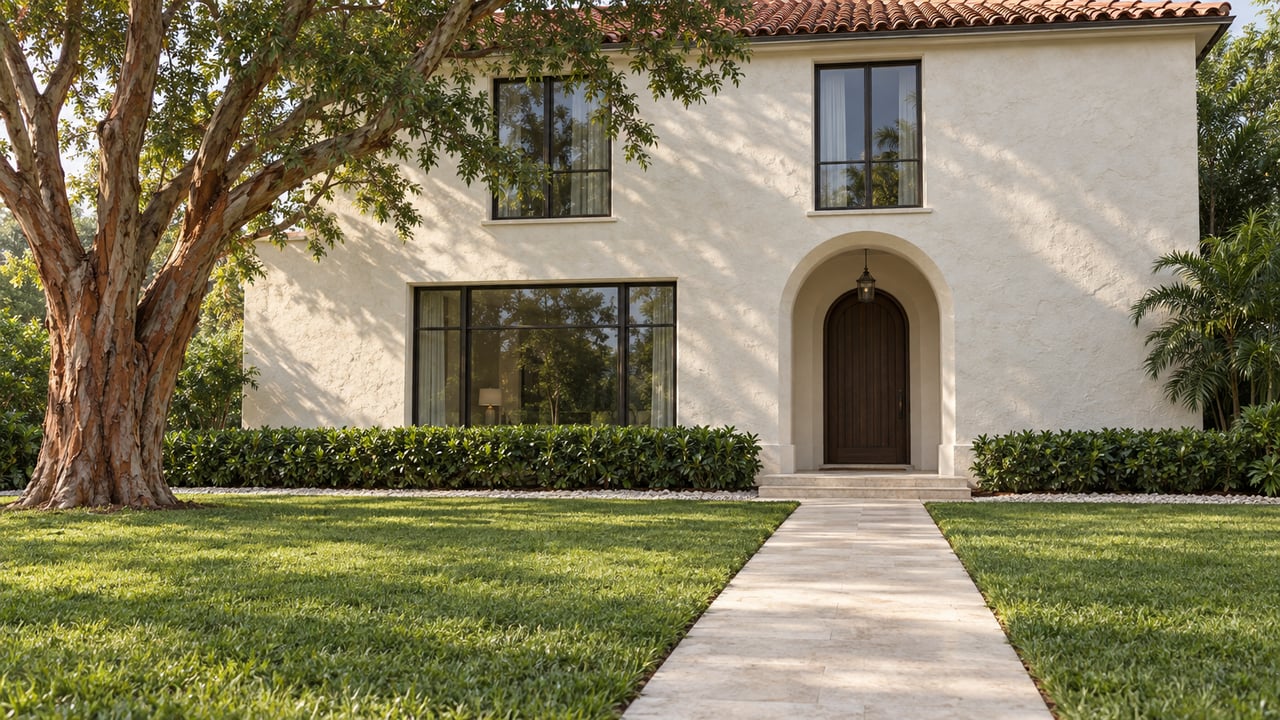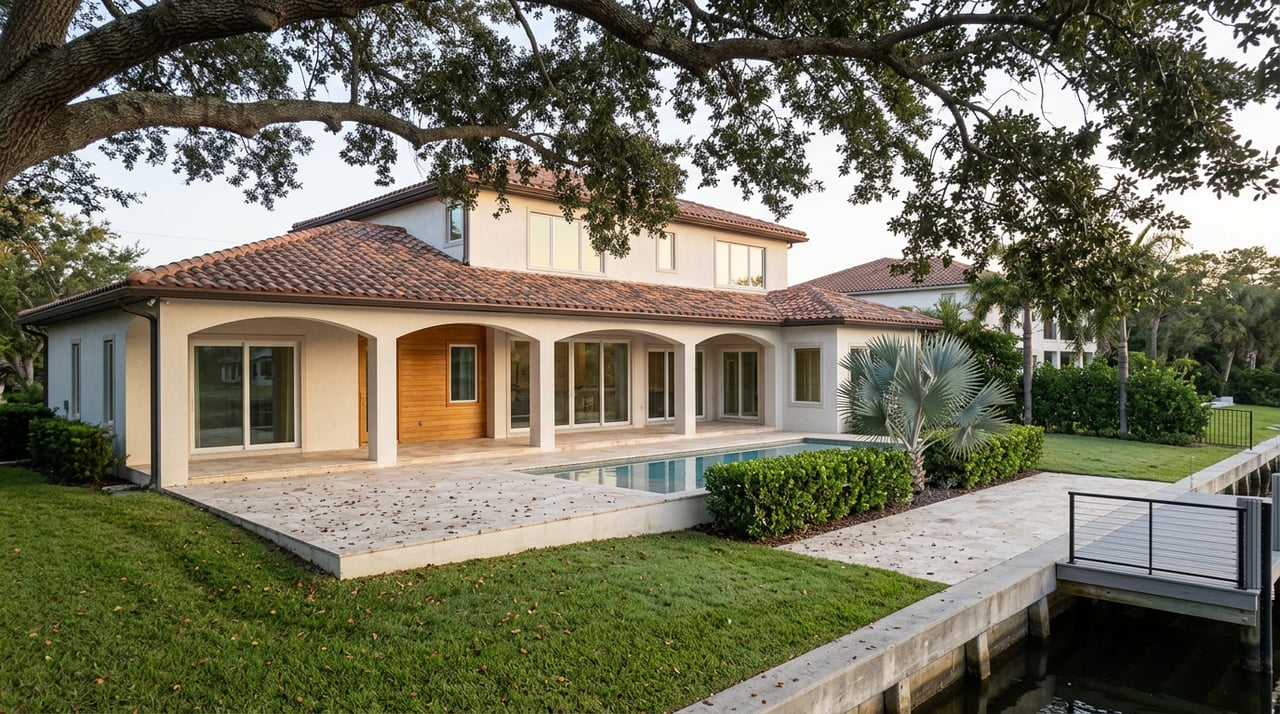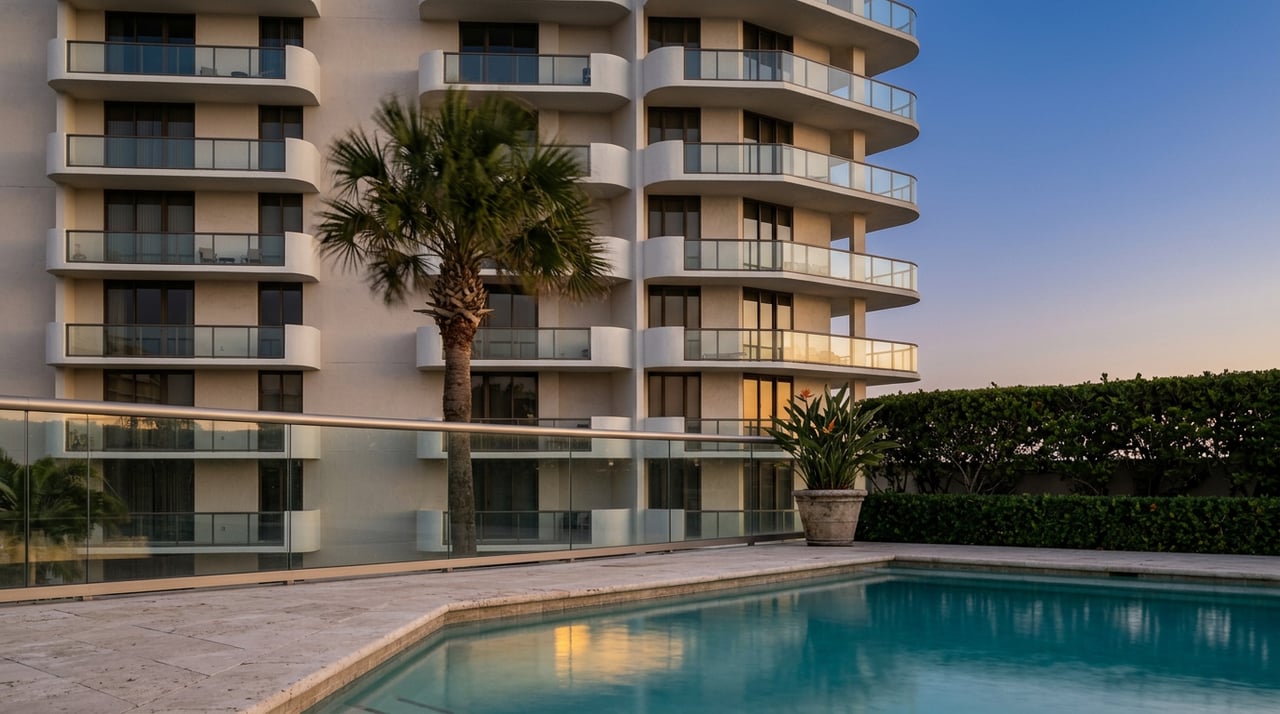
Two units come up on the same afternoon. Both on Harbour Island, both roughly 1,300 square feet, both listed within a few thousand dollars of each other. A buyer touring both would reasonably expect the monthly cost of ownership to land in the same range too. On this island, that assumption can be wrong by several hundred dollars a month, and the reason has nothing to do with finishes, floor plan, or view.
It has to do with a date stamped on each building's certificate of occupancy, and a law that changed what that date means this year.
The Number on the Listing Sheet Isn't the Number That Matters
As of April 2026, the median list price for a Harbour Island home sat at $694,000, working out to roughly $466 per square foot, with typical listings spending about 47 days on market, close to the same pace as a year earlier. Those figures tell a buyer what the island costs to get into. They say almost nothing about what it costs to stay.
That gap matters more here than in most Tampa neighborhoods because Harbour Island is overwhelmingly a condominium and townhome market. There are no detached single-family homes to fall back on if a building's finances turn out to be shakier than the listing suggested. Every purchase on this 177-acre island, reached by a single bridge from downtown, is a purchase of a unit plus a share of whatever that building owes, has saved, or has been quietly underfunding for years.
Price per square foot treats every building the same. The buildings themselves do not.
Harbour Island Runs on a 25-Year Clock, Not a 30-Year One
Florida's post-Surfside reforms require condominium and cooperative buildings three stories or taller to undergo a structural milestone inspection once they reach 30 years of age, or 25 years if they sit within three miles of the coast. Harbour Island is explicitly named among the Tampa neighborhoods that fall under the shorter, 25-year coastal timeline, alongside Davis Islands, South Tampa, Bayshore Boulevard, and parts of downtown.
Run that clock against the buildings actually on the island and the spread is wide. Harbour Court, an eight-story, 126-unit building completed in 1987, crossed the 25-year coastal threshold back in 2012 and its 35-year mark in 2022, putting it well into its second inspection cycle already. Parkcrest Harbour Island, the 334-unit Venetian-style tower on the north end completed in 2005, doesn't reach that same 25-year line until 2030. Buildings like Seddon Cove, with its brick exteriors and copper roofs, The Garrison, St. Tropez, and The Pointe round out an inventory where construction dates span decades, each building carrying its own distance to its next mandatory structural review.
A buyer comparing two units isn't just comparing square footage. They're comparing where each building sits on a 25-year countdown that determines when an engineer walks through with a clipboard and decides whether the concrete, the plumbing risers, or the waterproofing need six-figure attention.
The Reserve Law Doesn't Care How Old Your Building Is
Here's the part that catches people off guard, and it cuts against the assumption most buyers walk in with. The instinct is to treat a newer building as the safer bet, since it's further from its inspection deadline. That instinct is only half right.
Since January 1, 2026, Florida law has banned condo associations from voting to waive or underfund reserves for eight structural components: roof, load-bearing elements, fire protection, plumbing, electrical, waterproofing, windows and exterior doors, and any item with a deferred-maintenance cost over a set threshold. That mandate applies to any residential building three stories or taller, full stop. It is not tied to the 25-year milestone clock. A building doesn't get a pass because it isn't due for inspection until 2030.
That's why a young, structurally sound building can still see its dues jump sharply this year, right alongside a much older one. The Structural Integrity Reserve Study, or SIRS, that Florida now requires prices out the long-term cost of those eight components regardless of the building's age, and the funding for it has to show up in the budget starting this year. Across the Tampa-St. Petersburg metro, HOA fees climbed 17.2% year over year as of reporting in May 2026, the steepest increase of any major U.S. metro in the country. That increase isn't concentrated in 1980s buildings. It's happening everywhere associations spent years keeping dues artificially low by voting to skip reserve contributions, a practice that is no longer legal for budgets adopted after the end of 2024.
Two separate clocks are running on Harbour Island right now. One is about when the building gets physically inspected, and it favors newer construction. The other is about whether the building's books were honest for the last twenty years, and it doesn't care what year the building went up.
What This Means When You're Comparing Two Units
The building's age tells a buyer when the structural exam is coming. It does not tell them whether the association passed the financial version of that exam already, or is about to fail it in front of the next owner.
Under Florida's newer transparency rules, associations with 25 or more units are now required to post governing documents, budgets, and reserve studies where owners can see them, which makes it far easier for a buyer to request the same records before writing an offer. Before writing an offer on any Harbour Island unit, the documents worth requesting are the same regardless of the building's construction year:
- The most recent milestone inspection report, if the building has crossed its trigger date
- The current SIRS and the funding schedule it calls for
- The last two years of budgets and board meeting minutes
- Written confirmation of whether a special assessment is pending or under discussion
- The estoppel letter, which spells out exactly what the seller owes before closing
A building that has been honest about its reserves for a decade will show a boring, steadily rising budget. A building that waived reserves every year it could is the one where the bill shows up all at once. Both can sit on the same block. Both can be listed at the same price per square foot. Only one of them is a surprise waiting to happen.
The Island's Other Constant
None of this changes what makes Harbour Island Harbour Island. The single bridge that complicates evacuation planning during storm season is the same bridge that puts Amalie Arena, Sparkman Wharf, and the Water Street district within a ten-minute walk. The gated, low-key character that residents describe as small-village living, complete with a Publix, a dog groomer, and a dry cleaner within the commercial core, sits a few minutes from the Tampa Riverwalk and the annual Gasparilla Pirate Fest crowds that pass right by. That premium is real, and it's part of what a buyer is paying for at $466 a square foot.
It just isn't the number that determines whether next year's HOA statement looks the same as this year's.
FAQ
Does a newer Harbour Island building mean less risk of a special assessment? Not automatically. A newer building is further from its 25-year coastal milestone inspection, which lowers the odds of a near-term structural finding. But the reserve funding mandate that took effect January 1, 2026 applies to any building three stories or taller regardless of age, so a newer association that underfunded its reserves can face the same kind of dues increase as an older one.
What's the difference between a milestone inspection and a SIRS? A milestone inspection is a physical, engineer-led structural evaluation, required at 25 years for coastal buildings like those on Harbour Island and every 10 years after. A Structural Integrity Reserve Study is a financial document that prices out long-term repair costs for eight structural components and sets the reserve funding schedule the association must follow. Buildings need both, on separate but overlapping timelines.
Where can I check a building's inspection status myself? Florida's Division of Condominiums, Timeshares, and Mobile Homes maintains inspection resources and requires associations to submit completed SIRS reports through its own reporting system. That's a useful starting point before a showing, not a substitute for requesting the actual reports and board minutes once an offer is on the table.
Comparing two units on paper only gets a buyer halfway there on Harbour Island. The other half is in documents that don't show up on a listing sheet. If you're weighing a purchase here and want a second set of eyes on the numbers behind the number, reach out to Bianca Lopez to request exclusive access to current inventory and a straight read on what each building's financials actually say.