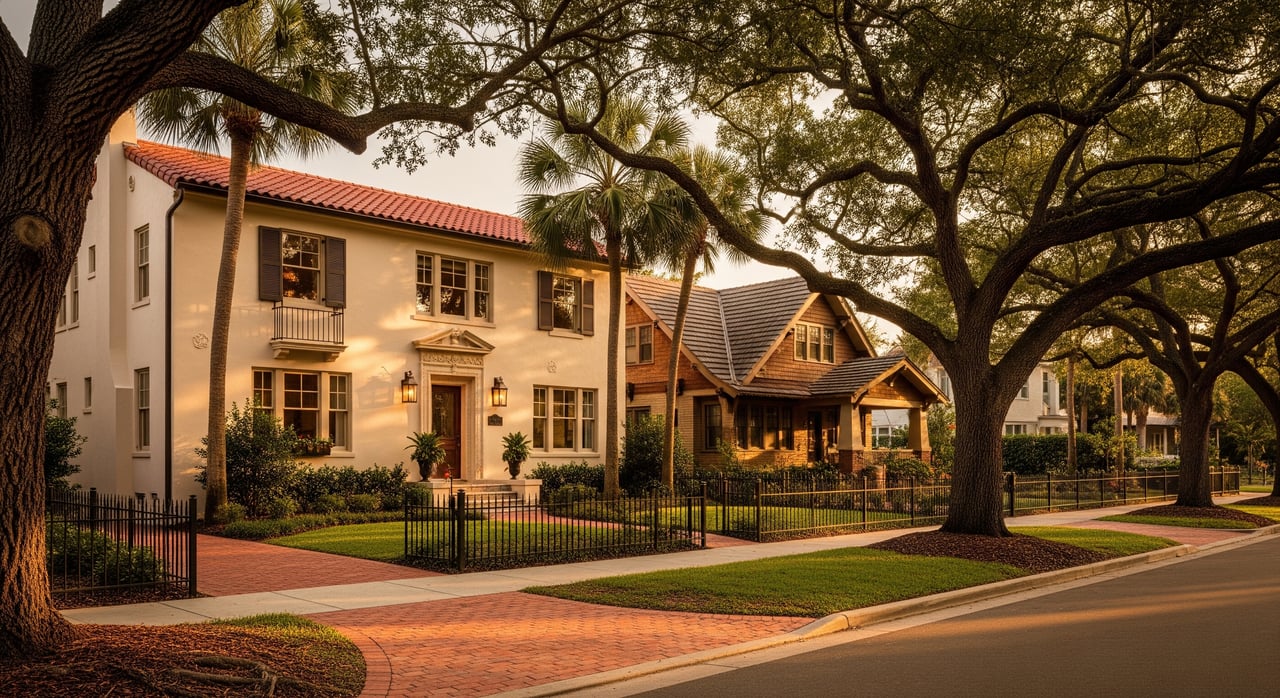
Love the idea of an early run along the water, coffee in a leafy village, and dinner a short stroll from home? If you want history, walkability, and an upscale neighborhood feel, Hyde Park in South Tampa should be on your radar. You will learn how the neighborhood lives day to day, what types of homes you will find, and the key details to check before you buy. Let’s dive in.
Hyde Park at a glance
Hyde Park sits just southwest of downtown Tampa, within South Tampa. It blends the Hyde Park Historic District’s residential streets with nearby commercial pockets like Hyde Park Village and South Howard, often called SoHo.
The neighborhood grew in the late 19th and early 20th centuries as an early streetcar suburb. Many homes date from the 1910s to the 1940s, with Craftsman bungalows, American Foursquare, and Mediterranean or Spanish Revival influences. Portions of the area are listed on the National Register of Historic Places and are guided by local preservation standards.
You get a mature, tree-lined setting, a mix of updated historic homes and luxury new builds, and a compact, urban-suburban lifestyle that feels close to everything.
Walkability and Bayshore access
Hyde Park is widely known as one of Tampa’s most walkable areas. Side streets are pedestrian friendly, and daily errands or meetups often happen on foot. Many residents walk to Hyde Park Village for coffee, shopping, or dinner, and stroll to SoHo for nightlife and dining.
Bayshore Boulevard is a major draw. Its continuous waterfront sidewalk and open bay views make it a favorite for walkers, runners, and cyclists. Expect an everyday rhythm of activity along the water, especially in the morning and at sunset.
Because parts of Hyde Park sit near the bay, buyers should review elevation and flood-zone details. A quick check of FEMA flood maps and local resources can help you understand risk and insurance needs.
Hyde Park Village lifestyle
Hyde Park Village is the neighborhood’s heart for retail and dining. It is a curated, walkable district with boutiques, salons, seasonal events, and a lineup of restaurants that changes as new concepts arrive. The overall mix is upscale and design-forward, which fits the neighborhood’s refined feel.
Weekend markets and community events add to the sense of place. If you want a “walk-to” lifestyle with errands, workouts, and meals close by, the Village is a key reason many buyers choose Hyde Park.
Home styles and options
You will find a range of properties, each with a distinct appeal:
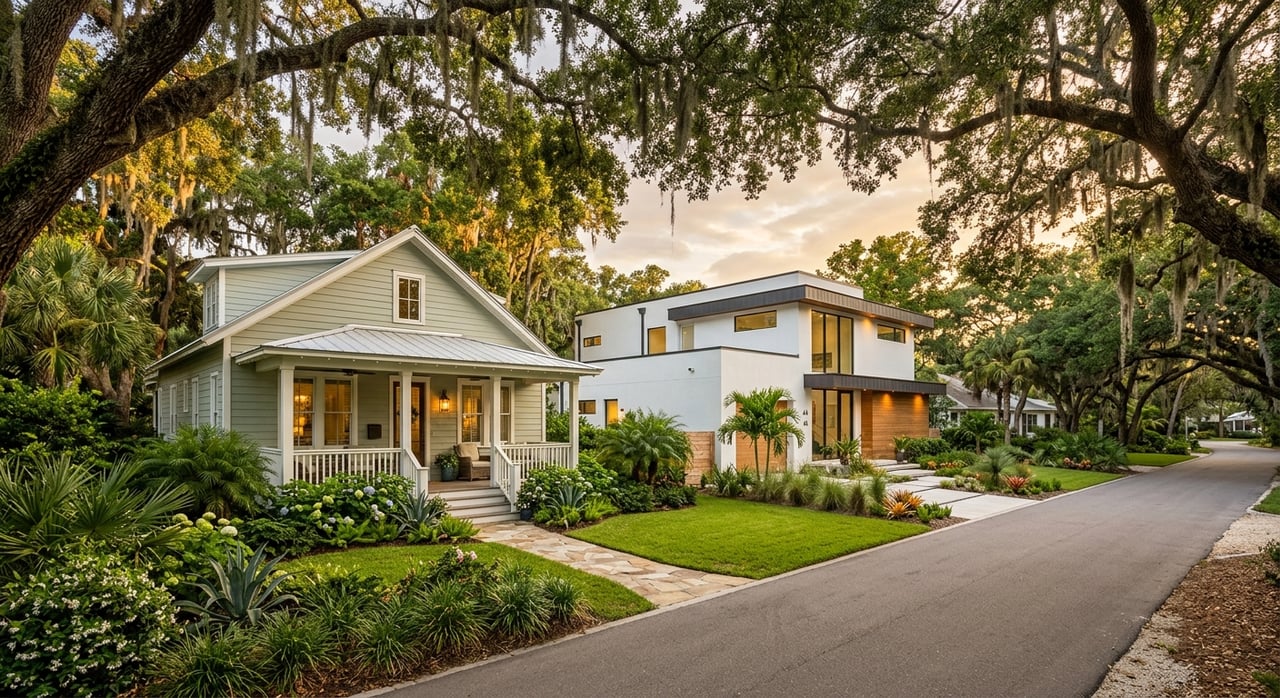
- Historic single-family homes. Craftsman bungalows, American Foursquare, and Mission or Spanish Revival styles are common. Many keep original details and mature landscaping.
- Renovated historic homes. Updated kitchens and baths are popular, while exteriors and character elements remain in line with historic guidelines.
- Luxury infill new construction. Newer builds often maximize lot coverage for more interior space. Many are larger and modern or Mediterranean-inspired.
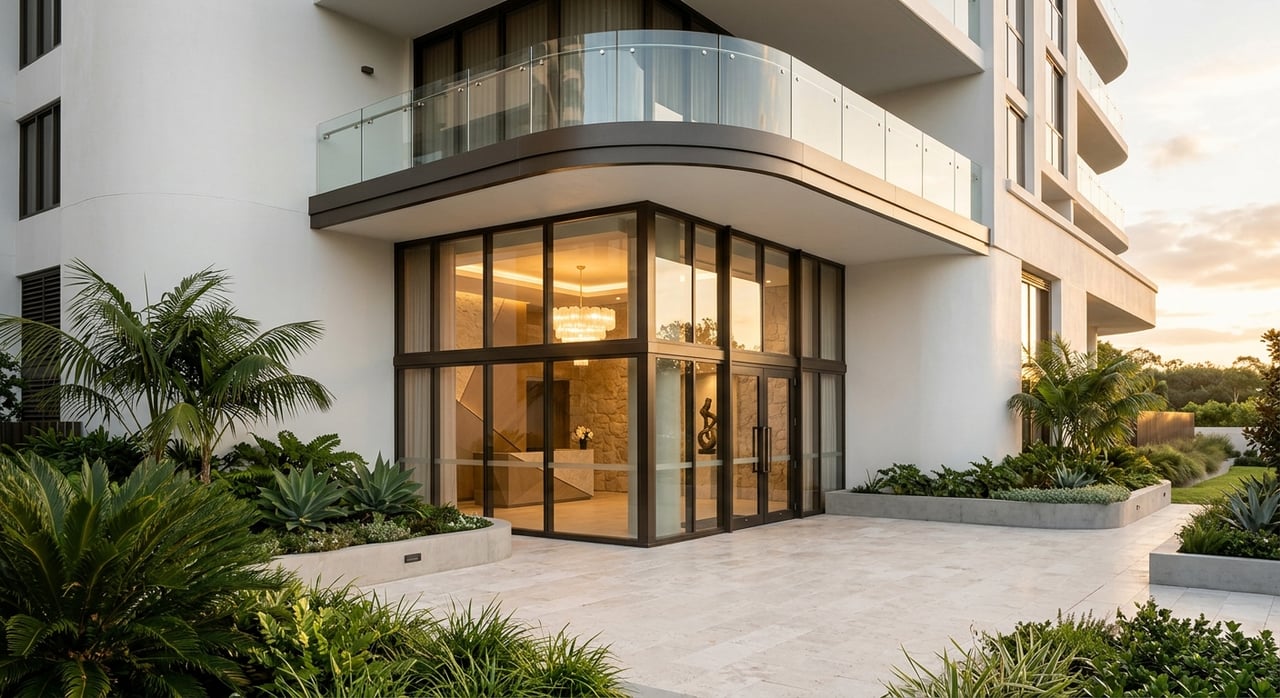
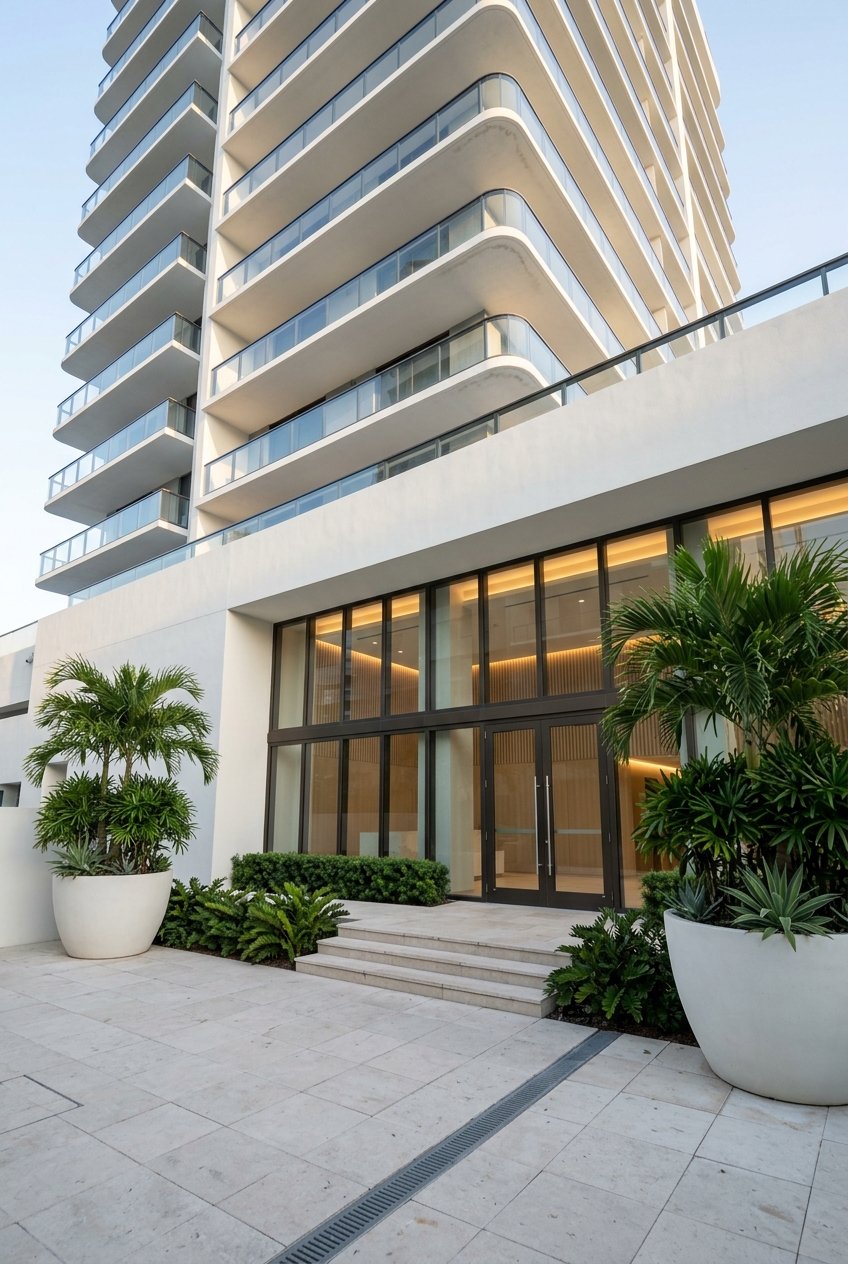
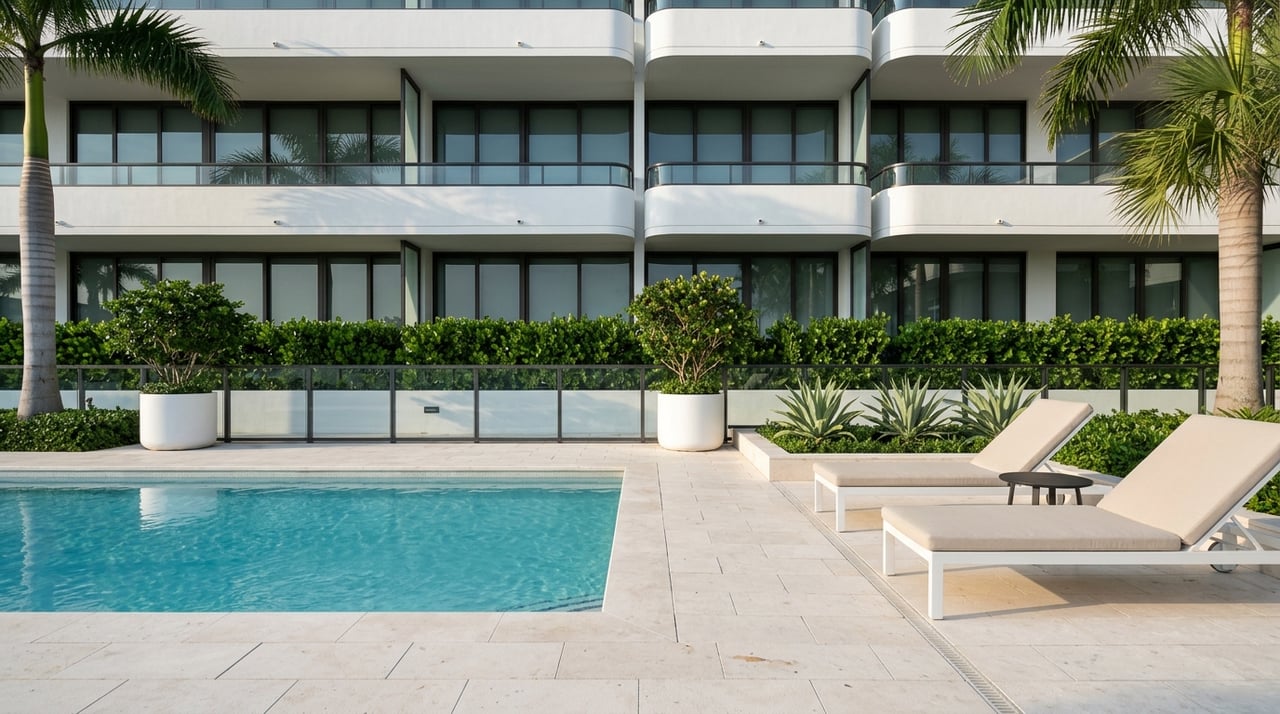
- Boutique condos and townhomes. These offer lower-maintenance living and are often near central corridors or the Village. They appeal to downsizers and busy professionals.
Historic lots tend to be modest to medium size, so yards are smaller than in some suburban areas. Parking varies by property, with driveways and garages common and on-street rules varying by block.
What drives value
Hyde Park is a premium South Tampa neighborhood. Pricing is typically above the citywide median and varies by property type and location within the neighborhood. In general:
- Boutique condos and smaller townhomes often provide the most accessible entry points.
- Updated historic homes and centrally located new construction command higher prices.
- Large, renovated historic homes and high-finish new builds on desirable lots can reach the top of the market.
Finish level, lot size, and proximity to Hyde Park Village and Bayshore are key drivers. For current numbers, review recent comparable sales through live MLS data before making an offer.
Schools and education
Hyde Park is served by Hillsborough County Public Schools. School zones can change, and eligibility depends on the exact address. Always verify current assignments using the district’s lookup tools.
Families also consider private and parochial options in and around South Tampa. If schools are a priority, confirm programs and admissions timelines early in your search.
Preservation and renovation basics
Parts of Hyde Park fall within locally regulated historic districts. Renovations, demolitions, and new construction in these areas typically require review by the City of Tampa’s Historic Preservation Office. Expect design guidelines that favor compatibility with historic character and allow time in your schedule for approvals.
If you plan significant changes, build a clear scope of work and budget that incorporates professional design, potential material requirements, and review timelines.
Flood risk and insurance
Proximity to the bay adds lifestyle value but also requires diligence. Some properties may sit in FEMA-designated flood zones. Mortgage lenders may require flood insurance in high-risk zones, and premiums vary by elevation and property specifics.
Before you go under contract, obtain an elevation certificate if needed and request accurate insurance quotes. Factor this into your monthly budget and your long-term ownership plan.
HOA, taxes, and utilities
Condo and townhome purchases may include homeowners’ associations with rules and monthly fees. Review association documents early in your due diligence.
Property taxes and any special assessments vary by parcel. Check county resources for current rates and homestead considerations. Confirm utility connections and capacity, especially if you plan a renovation or new build.
Getting around and transit
Hyde Park offers short connections to downtown Tampa, the Westshore business district, and Tampa International Airport. Many residents drive or bike, while public bus routes operated by the local transit authority serve parts of South Tampa. Service frequency and routes change, so review current maps if transit access matters to you.
Daily errands are easy on foot within Hyde Park Village and the SoHo corridor. Larger parks and recreation facilities are a short drive away, while Bayshore provides everyday access to the waterfront sidewalk.
Who Hyde Park fits
- Professionals who want a short commute and a lively, walkable neighborhood.
- Design-forward buyers who love historic character with modern comfort.
- Downsizers who value lock-and-leave options and smaller lots.
- Buyers who prize an upscale retail and dining core, plus waterfront access.
If you want suburban-scale yards or large new-build communities, you might compare nearby South Tampa neighborhoods as part of your search. Hyde Park delivers a premium, urban-suburban balance.
Buyer checklist
Use this quick list to make confident decisions:
- Confirm if the property is inside a historic district and review design guidelines.
- Pull live MLS comps for your property type and location.
- Check FEMA flood maps, obtain elevation and flood insurance quotes.
- Verify school assignments through the district’s lookup.
- Review HOA rules, fees, and financials if applicable.
- Confirm property taxes and any assessments.
- Validate parking arrangements and any on-street rules for the block.
How to buy well in Hyde Park
Start with your lifestyle priorities. Do you want a historic bungalow near the Village, or a larger new build closer to Bayshore? Narrow to your must-haves, then let current market data guide your budget and offer strategy.
Work with a local expert who understands preservation guidelines, flood considerations, and the nuances of each block. In a neighborhood where standout properties are scarce, timing and access matter. Curated off-market options and early looks at boutique new construction can be the difference between almost and sold.
Ready to explore Hyde Park with a local, luxury-minded approach? Connect with Bianca Lopez to preview off-market opportunities, boutique townhome pipelines, and the best on-market matches for your goals.
FAQs
What is Hyde Park known for in Tampa?
- A walkable, historic South Tampa neighborhood with tree-lined streets, Bayshore Boulevard access, and an upscale retail and dining core at Hyde Park Village.
How walkable is Hyde Park for daily life?
- Very walkable, with pedestrian-friendly streets and close access to coffee, restaurants, boutiques, and Bayshore’s waterfront sidewalk for exercise and leisure.
What home styles are common in Hyde Park?
- Craftsman bungalows, American Foursquare, and Mediterranean or Spanish Revival homes, plus renovated historic properties, luxury infill builds, and boutique condos or townhomes.
Are there renovation rules for historic homes?
- Yes, projects in designated districts typically require City of Tampa historic review to ensure exterior design compatibility, which can affect materials, timelines, and budget.
Do I need flood insurance in Hyde Park?
- It depends on the property’s flood zone and elevation; lenders may require it in high-risk areas, so verify maps and obtain quotes during due diligence.
Which schools serve Hyde Park addresses?
- Hyde Park is served by Hillsborough County Public Schools, but zoning varies by address and can change; always verify current assignments using the district’s lookup tools.
Is Hyde Park a good fit for downsizers or commuters?
- Yes, smaller lots and low-maintenance options suit many downsizers, and proximity to downtown and major corridors supports convenient commuting.