Is your Sunset Park home better sold as-is, or should you invest in upgrades before listing? It is a common crossroads, and the right call depends on your goals, your home’s condition, and current neighborhood demand. You want to protect your time and maximize your net proceeds without taking on unnecessary risk. In this guide, you will get a clear decision framework, practical checklists, and a simple way to compare net results so you can move forward with confidence. Let’s dive in.
Quick Sunset Park checklist
- Get a pre-listing inspection to identify safety, structural, and major system issues that could affect financing.
- Pull 6–12 recent Sunset Park comps from the last 3–6 months, noting condition and price differences between move-in-ready and fixer sales.
- Obtain 2–3 local contractor quotes for recommended work and ask what needs permits in Hillsborough County.
- Calculate your monthly carrying costs if you renovate: mortgage, taxes, insurance, HOA, utilities, and maintenance.
- Outline your priorities: speed, maximum net proceeds, or lowest hassle. Be honest about timeline and budget.
- Confirm disclosure obligations in Florida and prepare to complete the Seller’s Property Disclosure.
Define your goals and constraints
Timeline and priorities
Start with what matters most. Are you aiming for the fastest close, the highest net, or the least disruption? If speed is critical, listing as-is can be efficient. If your priority is net proceeds and you have time, selective improvements may pay off.
Budget and risk tolerance
Assess how much cash you can allocate to prep, and how comfortable you are carrying the home during work. Include a contingency for overruns and potential delays. If your cushion is thin, keep improvements light and targeted.
Assess property condition
Safety and structural: must address
Issues like roof leaks, electrical hazards, active termites, or major HVAC failure typically need repair or they can derail financed offers. Even with an as-is listing, you must disclose known material defects, and many lenders will not approve homes with safety concerns.
Deferred and cosmetic: strategic choices
Items such as aging carpet, dated fixtures, or worn paint influence perceived value but do not usually block financing. In a competitive market, clean and updated homes attract more showings and stronger offers. In a tighter inventory moment, buyers may accept more dated finishes.
Buyer pool and financing
Your likely buyer profile influences how much condition matters. FHA and VA buyers must meet minimum property standards. If a large share of shoppers in your price band rely on those loans, certain repairs may be necessary. Conventional financing is more flexible but may still flag health or safety issues. Cash buyers are often more open to as-is, yet they still negotiate if inspections reveal hidden problems.
Run the numbers with a simple template
You should compare two scenarios using actual local comps and real quotes.
- A = Estimated as-is sale price
- B = Selling costs you expect to pay
- Net as-is = A − B
- C = Estimated renovated sale price
- D = Renovation cost, including a contingency
- E = Carrying costs during renovation
- Net renovated = C − B − D − E
Compare Net renovated to Net as-is. If Net renovated is meaningfully higher and your timeline allows, renovate. If the margin is small or your timing is tight, list as-is and focus on targeted prep.
Light-touch updates that work
These improvements resonate with many neighborhood buyers and typically offer solid impact for the cost. Always verify with local quotes.
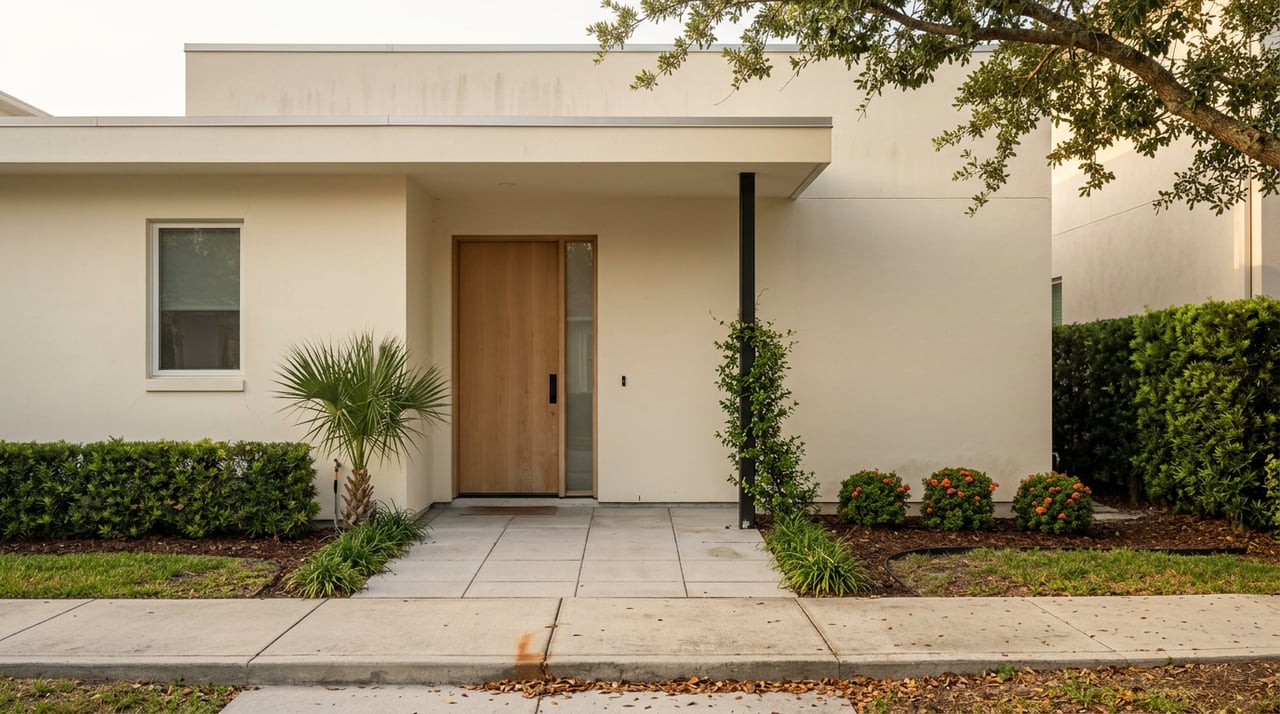
- Curb appeal upgrades: Pressure wash siding and driveway, refresh mulch, trim hedges, add potted plants. Estimated range: $150–$1,000. A crisp exterior increases showings and perceived quality.
- Front entry refresh: Paint or replace the front door and update exterior lights. Estimated range: $300–$1,500. The entry sets expectations for the entire tour.
- Neutral interior paint: Whole-home paint can run $2,000–$7,000 depending on size. Fresh, neutral walls signal a well-kept home.
- Flooring updates: Install LVP at roughly $2–$6 per square foot or replace carpet at $2–$4 per square foot. Clean, modern floors reduce objection points.
- Kitchen refresh: Repaint or refinish cabinets, add new hardware, update a faucet, and install a simple backsplash. Estimated range: $1,500–$8,000. Consider a full replacement only if comps show a clear premium.
- Bathroom refresh: Refinish a tub, regrout tile, swap lighting and fixtures, or replace a vanity top. Estimated range: $1,000–$6,000. Clean, bright bathrooms are high impact.
- Lighting and hardware: Update dated fixtures, switches, plates, and door hardware. Estimated range: $200–$2,000. Small touches modernize the feel.
- Deep cleaning and staging: Professional cleaning plus selective staging can improve photos and buyer response. Estimated ranges: cleaning $150–$450, partial staging $500–$3,000.
- Mechanical tune-ups: Service HVAC, check water heater, clear gutters, and assemble service records. Estimated range: $150–$800. Buyers value proof of care.
- Safety fixes: Address signs of mold, active termites, severe leaks, or exposed wiring. Costs vary but these can be required for financed buyers.
Permits and timelines in Hillsborough County
Plan your schedule based on the scope of work. Quick cosmetic prep like paint, deep cleaning, and landscaping often fits into 1–3 weeks. Light renovations such as a kitchen refresh, bathroom updates, or new flooring typically take 3–8 weeks. Moderate projects like full kitchen replacements, bathroom remodels, or roof and AC replacements can run 8–16 weeks or more.
Many structural, electrical, plumbing, and roof or AC projects require permits in Hillsborough County. Permit reviews and inspections can add time. Cosmetic work like painting, cabinet refinishing, and most flooring usually does not require permits. Confirm requirements with contractors before you start so your timeline and costs are accurate.
How to estimate carrying costs
Calculate your monthly holding costs if you choose to renovate before listing. Include mortgage principal and interest, property taxes, hazard insurance, HOA fees if applicable, utilities, lawn or pool care, basic maintenance, security monitoring, and any interest on renovation draws. Multiply by the months you expect the project to take, and add a buffer in case of delays.
As-is listing tips
If you decide to sell as-is, you can still make your home feel move-in ready without major spend.
- Focus on cleanliness, curb appeal, and decluttering to elevate first impressions.
- Price strategically using recent as-is comps. Strong pricing reduces renegotiation risk later.
- Provide your pre-list inspection and service records to build trust and reduce surprises.
- Prepare for inspection-related requests. Even as-is buyers may seek concessions if new issues appear during diligence.
Renovate-before-listing tips
If your analysis shows a clear net gain from updates and you have runway, plan with discipline.
- Sequence work to minimize downtime and overlap trades where possible.
- Lock in materials early to avoid lead time surprises. Get multiple quotes and confirm permit needs.
- Keep finishes consistent, neutral, and durable to appeal to a broad buyer pool.
- Document improvements with permits, warranties, and invoices to support value during appraisals.
Legal and inspection essentials in Florida
Florida sellers must disclose known material defects. Listing as-is does not remove disclosure duties. Most buyers will still conduct inspections, and financing can trigger repair requirements when health, safety, or habitability issues arise. A pre-list inspection can help you address deal-breakers in advance or price accordingly.
Make the call
Use local comps, realistic cost estimates, and your goals to decide. In general:
- Repair safety or structural issues to avoid losing financed buyers and dragging out your timeline.
- Renovate when costs are modest, the expected price uplift is clear in Sunset Park comps, and your timeline can accommodate the work and carrying costs.
- Sell as-is when the renovation margin is small, investor interest is strong in your price band, or you need to close quickly. Pair as-is with high-impact, low-cost prep.
Ready to review your options with a local expert who understands Sunset Park’s buyer pool and pricing patterns? Schedule a confidential pre-listing review to get neighborhood comps, a net-proceeds estimate, and a prioritized plan for updates or an as-is launch. Connect with Bianca Lopez to get started.
FAQs
What does “as-is” mean for a Florida home sale?
- You can list without agreeing to make repairs, but you must still disclose known material defects and buyers typically conduct inspections that can influence negotiations.
Which repairs are usually required for financed buyers?
- Safety and habitability items like major roof leaks, electrical hazards, active termites, or inoperable HVAC often need to be resolved for FHA, VA, or even conventional loans.
How long do light renovations usually take in Hillsborough County?
- Quick cosmetic prep often takes 1–3 weeks, light renovations 3–8 weeks, and moderate projects 8–16 weeks or longer depending on permits and inspections.
How do I estimate my carrying costs during renovations?
- Add mortgage payments, taxes, insurance, HOA fees, utilities, lawn or pool care, maintenance, security, and any renovation loan interest, then multiply by expected months.
Which updates offer the best ROI before listing in Sunset Park?
- High-impact items often include curb appeal, neutral paint, refreshed flooring, simple kitchen or bath updates, improved lighting, and thorough cleaning and staging.
How can I get accurate Sunset Park comps for my decision?
- Pull 6–12 recent neighborhood sales from the last 3–6 months with an agent’s MLS report, noting condition details and price gaps between updated and as-is homes.