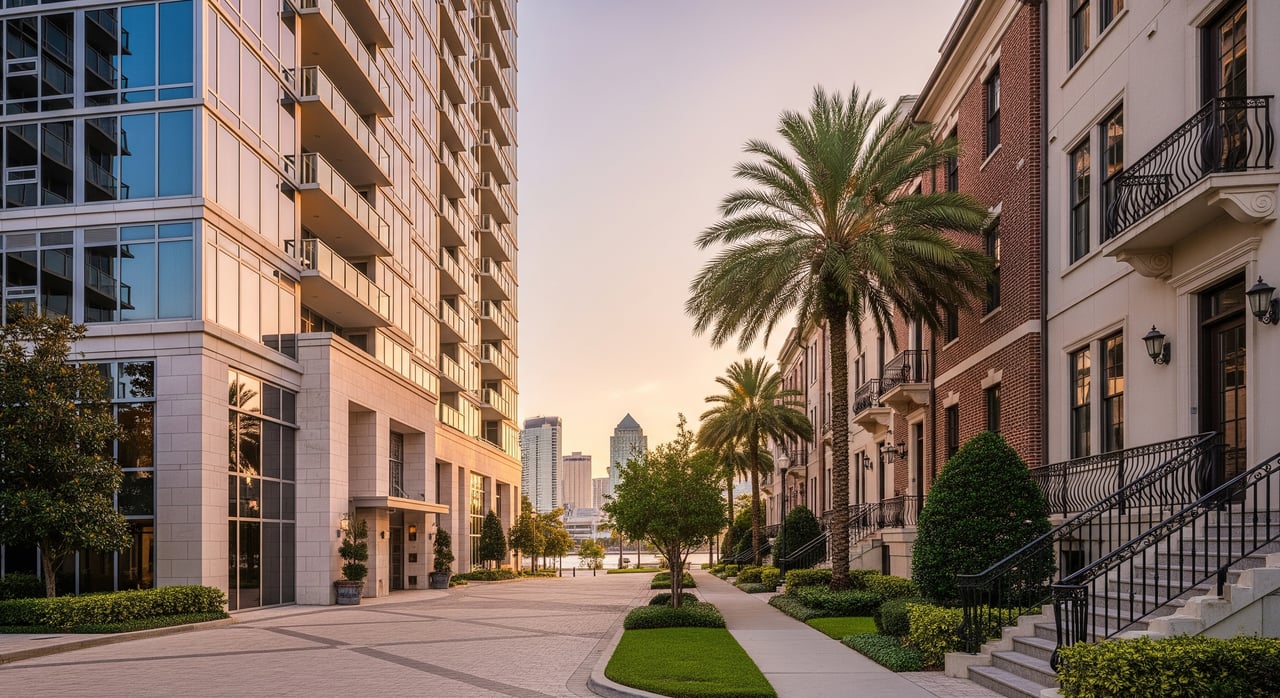
Trying to decide between a condo and a townhome in Downtown Tampa? You are not alone. The core of Tampa offers sleek high-rises, amenity-rich buildings, and a growing set of boutique townhomes in nearby pockets. Each path changes your ownership, monthly costs, lifestyle, financing, and resale outlook. This guide breaks down the differences and gives you a practical checklist to shop with confidence. Let’s dive in.
Downtown Tampa at a glance
Downtown is Tampa’s employment, entertainment, and transit hub. You will find high-rise and mid-rise condominiums in the core, with a smaller supply of attached townhomes in and near downtown. Treat the downtown core and nearby neighborhoods as related but different micro-markets with distinct inventory and price per square foot.
Market conditions change quickly. For current metrics like median price and months of inventory, review the latest Tampa Bay REALTORS market updates and MLS data. You can start by checking the association’s public resources at the Tampa Bay REALTORS site.
Climate and coastal proximity matter here. Flood zones, wind exposure, and the broader Florida insurance market all influence ongoing costs and buyer demand. You can verify property-specific flood zone details using the FEMA Flood Map Service Center.
Ownership and legal differences
Condominiums and townhomes can look similar, but the legal form is different and affects your responsibilities.
- Condominiums: You own your unit’s interior plus a share of the common elements. The association manages the building and collects assessments. In Florida, condos are governed by the Florida Condominium Act (Chapter 718).
- Townhomes: In Tampa you will see two structures. Some townhomes are legally condos. Others are fee-simple townhomes with an HOA, where you own the land and structure and the HOA covers shared areas. Fee-simple HOAs are governed by the Florida Homeowners’ Association Act (Chapter 720).
Why it matters: Roofs, exterior walls, driveways, and structural elements might be the association’s responsibility in a condo but your responsibility in a fee-simple townhome. That changes your insurance, reserves, and potential out-of-pocket costs. To verify the exact setup, request the recorded declaration and governing documents and consult the DBPR Division of Condominiums for consumer guidance and required disclosures.
Monthly costs and maintenance
Assessments vary widely by building age, size, and amenities, so compare them building by building.
- Condos: Monthly fees often cover common utilities, building insurance on the structure, elevator and system maintenance, security or concierge, pool and fitness, management, and reserves. Full-service high-rises tend to have higher fees because they operate more systems and staff.
- Fee-simple townhomes with HOAs: Fees often cover landscaping, private roads, and shared amenities. Owners typically handle the roof and exterior, unless the HOA takes on those elements under the covenants.
Reserve funds and special assessments matter as much as the monthly number. A building with low reserves is more likely to levy special assessments for big-ticket repairs. After the 2021 building-safety focus in Florida, there is increased attention on structural inspections and reserve practices. Ask for the most recent reserve study, current reserve funding level, and any planned capital projects. If you want to understand regulatory context, review the DBPR’s condo resources.
Who pays for what: quick reference
- Structural exterior and roof: usually condo association for condos. Often the owner for fee-simple townhomes, unless documents say otherwise.
- Interior finishes: unit owner for both condos and townhomes, except elements defined as common.
- Elevators and major building systems: association for condos.
- Landscaping and shared outdoor areas: typically the association in both models if those areas exist.
Lifestyle and amenities
Your day-to-day experience differs as much as your budget.
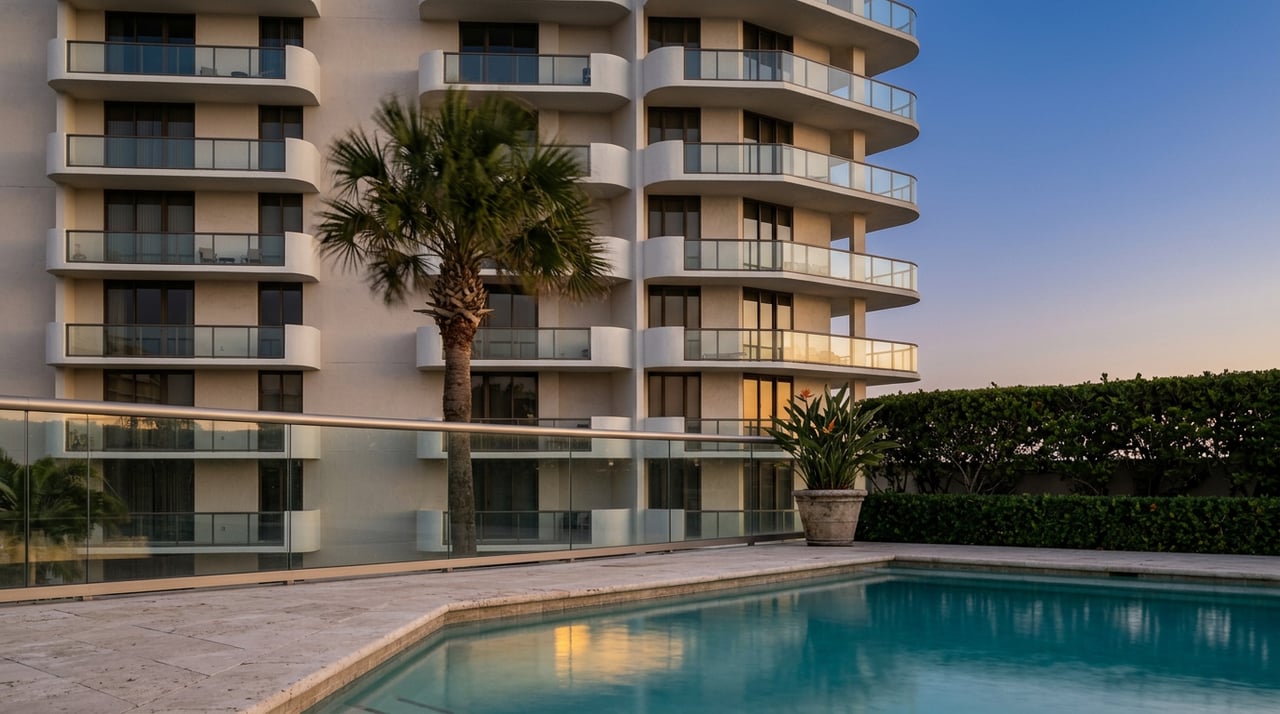
- High-rise condos: Expect on-site amenities like pool, gym, lounge, package room, and often security or concierge. You get plug-and-play living with easy walkability to restaurants, arts, and the riverfront. You also rely on elevators and accept more shared systems and rules.
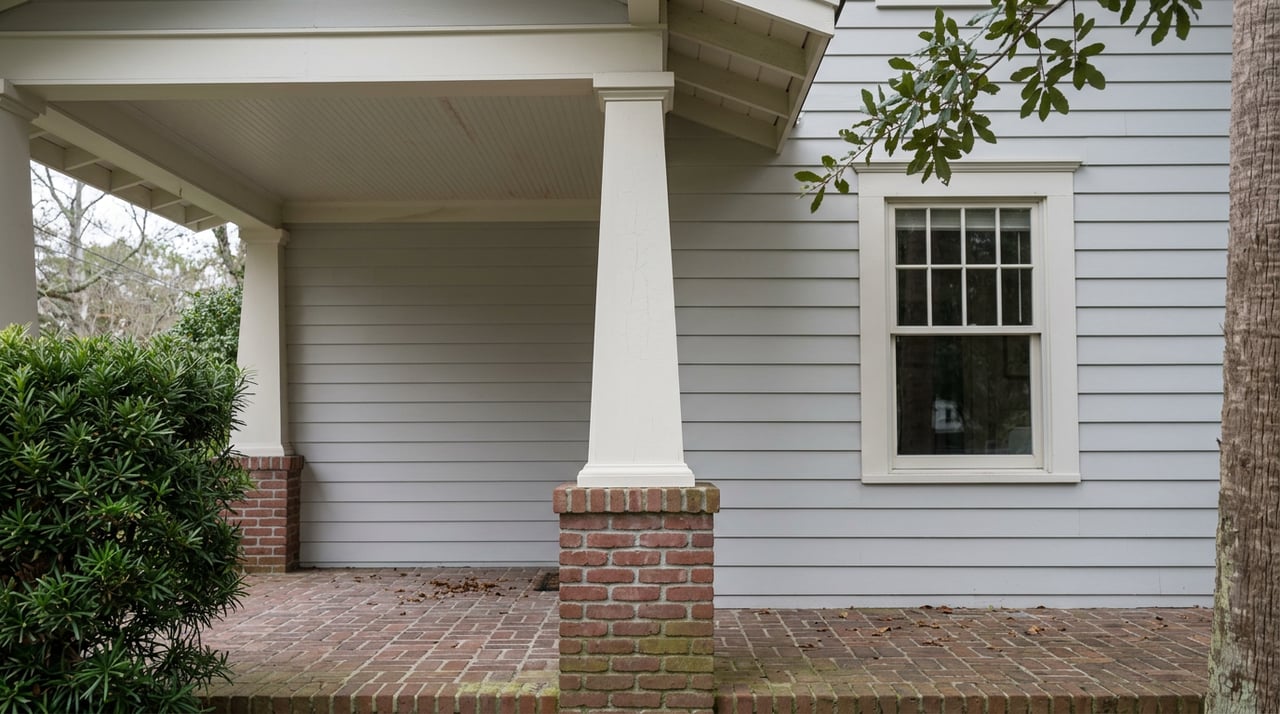
- Boutique townhomes near downtown: You often gain a private garage, direct street entry, multi-level layouts, and sometimes a small patio. The feel is more like a house with added privacy and outdoor space. The tradeoff is fewer on-site services and potentially more personal maintenance.
Parking deserves attention. Condo parking can be deeded, assigned, or valet. Townhomes typically include a private garage but may have limited guest parking. Always confirm parking and storage entitlements in the documents.
Financing and insurance
Financing rules differ, especially for condominiums.
Financing: Lenders apply special underwriting to condos. Some loan types require project approval lists or extra reserves for the borrower. Townhomes that are fee-simple often qualify for standard single-family underwriting. For a clear overview of condo mortgage considerations, review the Consumer Financial Protection Bureau’s guidance.
Insurance: Condo unit owners typically carry an HO-6 policy that covers interiors, personal property, liability, and the portion of the association’s deductible that may be assessed to unit owners. The association insures the structure through a master policy. Learn the basics of HO-6 coverage through the Insurance Information Institute.
Fee-simple townhome owners usually carry a full homeowner’s policy (HO-3 or HO-5) because they own the exterior and roof. Florida’s insurance landscape is evolving. You can explore state-level context at the Florida Office of Insurance Regulation and the role of state-backed coverage through Citizens Property Insurance Corporation.
Flood insurance: Lenders often require flood insurance for properties in designated flood zones. Verify a property’s zone at the FEMA Flood Map Service Center. Elevation, location, and building design all influence risk and cost.
Property taxes and homestead: If you use the property as a primary residence, you may be eligible for homestead benefits. Confirm details with the Hillsborough County Property Appraiser.
Resale considerations in downtown settings
Resale dynamics reflect supply, services, and association health.
- Inventory and scarcity: There are typically fewer boutique townhomes than condo units near downtown. Scarcity can support stronger pricing for well-located townhomes. Condos can still command premiums for convenience and amenities, especially in full-service buildings that appeal to professionals and downsizers.
- Association financials: Strong reserves, clear budgets, and no pending litigation help appraisals, lender approvals, and buyer confidence. Ask for recent financials, reserve studies, and meeting minutes.
- Rental mix and policy: Investor concentration and short-term rental rules affect lending and buyer demand. Some buyers prefer a more owner-occupied feel, while others value rental flexibility.
- Condition and age: Newer or recently renovated buildings typically sell faster. Older buildings with deferred maintenance may require higher reserves or assessments, which influences pricing.
To gauge the current moment, compare days on market, list-to-sale ratios, and months of supply for condos versus townhomes using Tampa Bay REALTORS data and the MLS.
Building-by-building diligence checklist
Request and review these items for every property you seriously consider:
- Recorded legal form: condo declaration or fee-simple deed with HOA covenants
- Master insurance policy, including deductible amounts and coverage scope
- Reserve study and current funding percentage
- Latest audited financials or compiled financial statements
- Board and owner meeting minutes for the past 12 to 24 months
- Current and past special assessments
- Pending or past litigation involving the association
- Owner-occupancy rate and rental restrictions, including short-term rental policy
- FHA, VA, or agency project approval status if you plan to use those loans
- Parking and storage entitlements and any separate deeds
- Building inspection reports, including structural and envelope reviews
- Elevator condition and planned capital replacements
- Recent capital projects and how they were funded
- Utility inclusions in monthly fees
- Pet policy details
- Security and access features
On-site checks during visits:
- Look for water intrusion, stained ceilings, and exterior cracks
- Test elevator wait times and observe condition
- Inspect pool, fitness, lobby, and corridors for upkeep level
- Review garage ventilation and maintenance
- Note proximity to busy roads, venues, or other noise sources
Questions to ask the association manager or board:
- How were major repairs funded in the last decade?
- What capital projects are planned in the next 3 to 5 years?
- What is the current assessment collection rate?
- Are there limits on interior renovations?
- Have there been insurance claims in the last 5 years and what were they?
What fits your lifestyle
Choose a downtown condo if you want full-service amenities, secure access, and maximum convenience with minimal upkeep. Expect higher monthly fees in exchange for building services and shared systems.
Choose a boutique townhome if you prefer a private garage, direct entry, more outdoor space, and a house-like layout close to the city. Expect a more hands-on role for exterior maintenance if the property is fee-simple.
Whichever path you choose, your smartest next steps are to compare monthly fees side by side, review reserves and inspection reports, confirm insurance requirements early, and align your financing with the property type.
Ready to explore top options in Downtown and near-downtown Tampa or to request association documents before you tour? Connect with Bianca Lopez for curated access to premium condos and boutique townhomes, plus a clear plan to evaluate fees, insurance, and resale. Request Exclusive Access.
FAQs
Are condo fees usually higher than townhome HOA fees in Downtown Tampa?
- Often yes for full-service high-rise condos, because building systems and staff increase costs, while boutique townhome HOAs tend to cover fewer shared items. Always compare current budgets.
Who typically handles the roof and exterior in Tampa?
- In most condos, the association handles the roof and exterior as common elements. In fee-simple townhomes, owners often handle them unless the covenants assign responsibility to the HOA.
What should I know about condo financing in Florida?
- Many lenders apply project-level reviews to condos and may require approvals or additional reserves. Fee-simple townhomes usually follow standard single-family rules. See the CFPB’s mortgage guidance.
How does insurance differ between a condo and a townhome?
- Condo owners usually carry an HO-6 walls-in policy while the association insures the structure. Fee-simple townhome owners typically need a full homeowner’s policy. Learn the basics at the Insurance Information Institute.
Do I need flood insurance in Downtown Tampa?
- It depends on the property’s flood zone and your lender’s requirements. Check the zone and elevation using the FEMA Flood Map Service Center.
Where can I check homestead eligibility and property tax details?
- Visit the Hillsborough County Property Appraiser to review ownership records, exemptions, and guidelines.