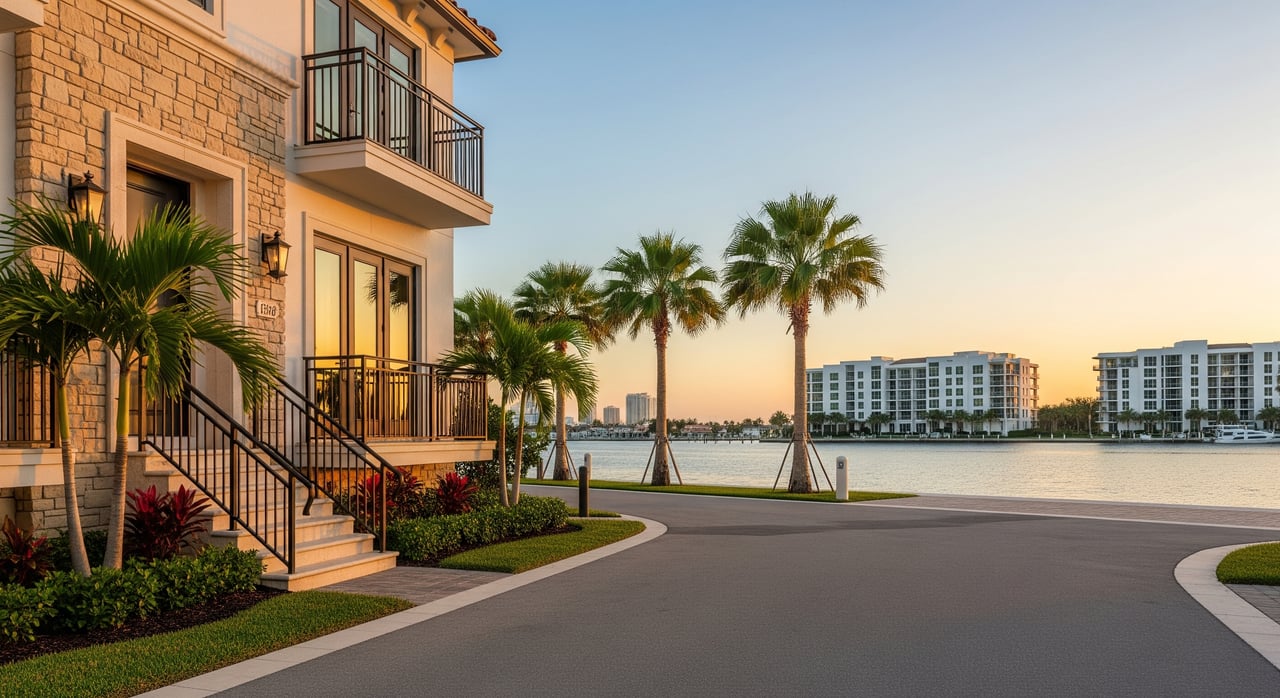
Trying to decide between a condo or a townhome on Harbour Island? You are not alone. Both options deliver low‑maintenance, luxury living close to downtown Tampa, yet they feel very different once you look under the hood. In this guide, you will learn how ownership, maintenance, fees, amenities, financing, and resale play out on Harbour Island so you can choose with confidence. Let’s dive in.
Condo vs townhome at a glance
Harbour Island offers high‑rise condos and boutique townhome communities. The right fit comes down to how you want to live, what you want to control, and how you prefer to manage risk and monthly costs.
- Choose a condo if you want a turnkey, staffed building with shared amenities, on‑site management, and lock‑and‑leave ease.
- Choose a townhome if you want more privacy, direct garage access, and a home that feels closer to single‑family living with potentially fewer shared spaces.
Ownership and control in Florida
In Florida, condos and townhomes follow different legal frameworks that shape daily living and long‑term costs. Condominiums are governed by the Florida Condominium Act. You own the interior of your unit and a shared interest in the common elements. The association typically controls and maintains the exterior, roof, structure, and shared areas.
Townhomes are often fee‑simple ownership and commonly fall under the Florida Homeowners’ Association Act. You may own the land under your unit, the walls, and the roof. Association responsibilities vary by community. Some HOAs handle exteriors and roofs, while others place more of that on individual owners.
The governing documents set the rules. Declarations, bylaws, and rules and regulations outline exterior control, leasing, pets, parking, and architectural changes. In condos, you usually have less exterior control. In townhomes, you may have more say over paint, landscaping, and small alterations, subject to HOA approval.
Maintenance and insurance on the water
On Harbour Island, waterfront exposure and storms make maintenance and insurance top‑of‑mind. In most condos, the association maintains the building exterior, roof, elevators, common systems, landscaping, and shared amenities. You handle the finishes inside your unit and sometimes windows and doors, depending on the declaration.
Townhome maintenance can range widely. Some associations include roof and exterior care. Others leave those to each owner. Always verify who handles roofs, windows, and exterior paint before you write an offer.
Insurance also differs. Condo owners usually carry an HO‑6 policy for interior improvements, contents, and liability. The association’s master policy covers the structure and common elements. Townhome owners often need broader coverage that resembles a traditional homeowners policy, especially when they own the exterior and roof.
Harbour Island’s waterfront location adds flood considerations. Flood insurance is separate from standard homeowners insurance. Check the flood zone, ask for an Elevation Certificate if available, and request a flood premium estimate. Wind coverage, deductibles, and master policy details can drive monthly costs materially.
Monthly fees and what drives them
Condo fees tend to be higher when buildings include elevators, on‑site staff, robust amenities, and comprehensive insurance on the structure. Townhome HOA fees vary and can be lower when common areas are limited. The headline fee only tells part of the story. Focus on what the fee includes and the building’s long‑term needs.
Key drivers of monthly fees on Harbour Island:
- Building insurance scope and claims history
- Reserve fund strength and timing of the most recent reserve study
- Age and condition of roofs, concrete, balconies, and mechanical systems
- Amenity load, from pools and gyms to concierge and security
- Utilities included in the fee, such as water, trash, or cable
Special assessments deserve careful attention. Since the Surfside tragedy in 2021, reserve funding and structural integrity have seen more scrutiny across Florida. Ask about capital projects in the pipeline and any recent or pending assessments.
Lifestyle and amenities on Harbour Island
Harbour Island is a walkable, waterfront neighborhood next to downtown Tampa. Many buyers want views, modern amenities, and minimal upkeep. Condos often deliver a full lifestyle package.
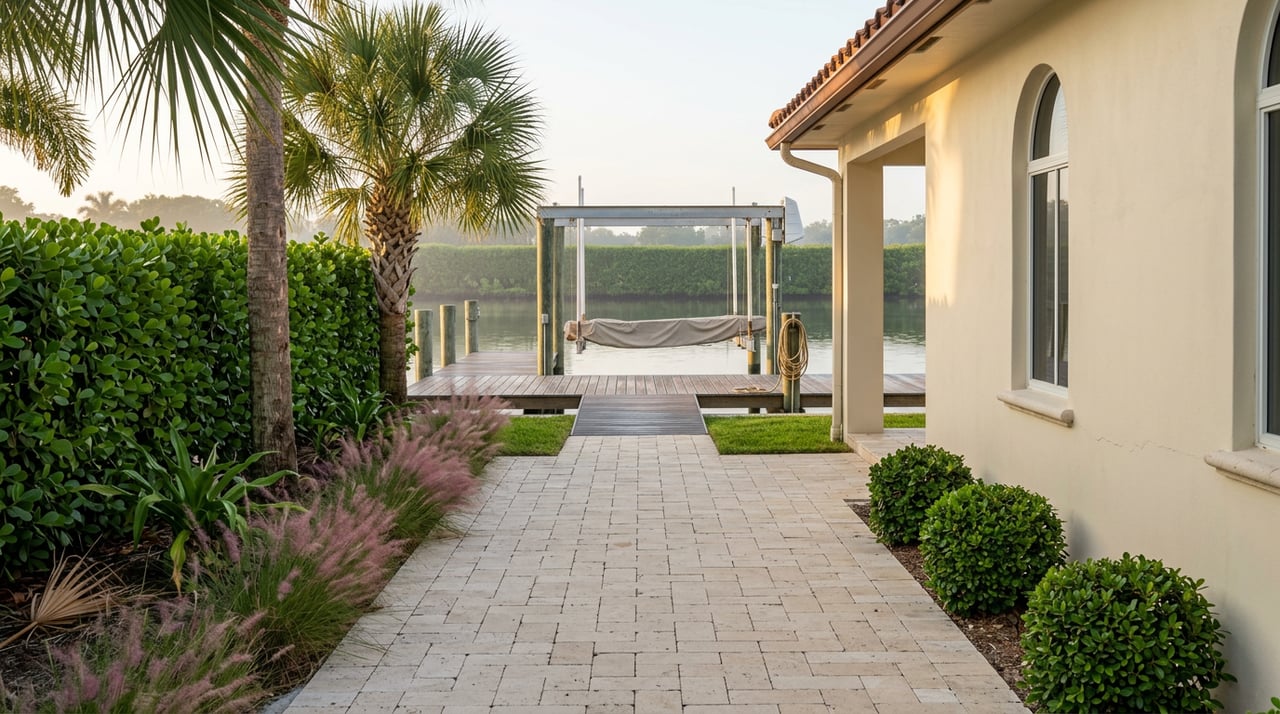
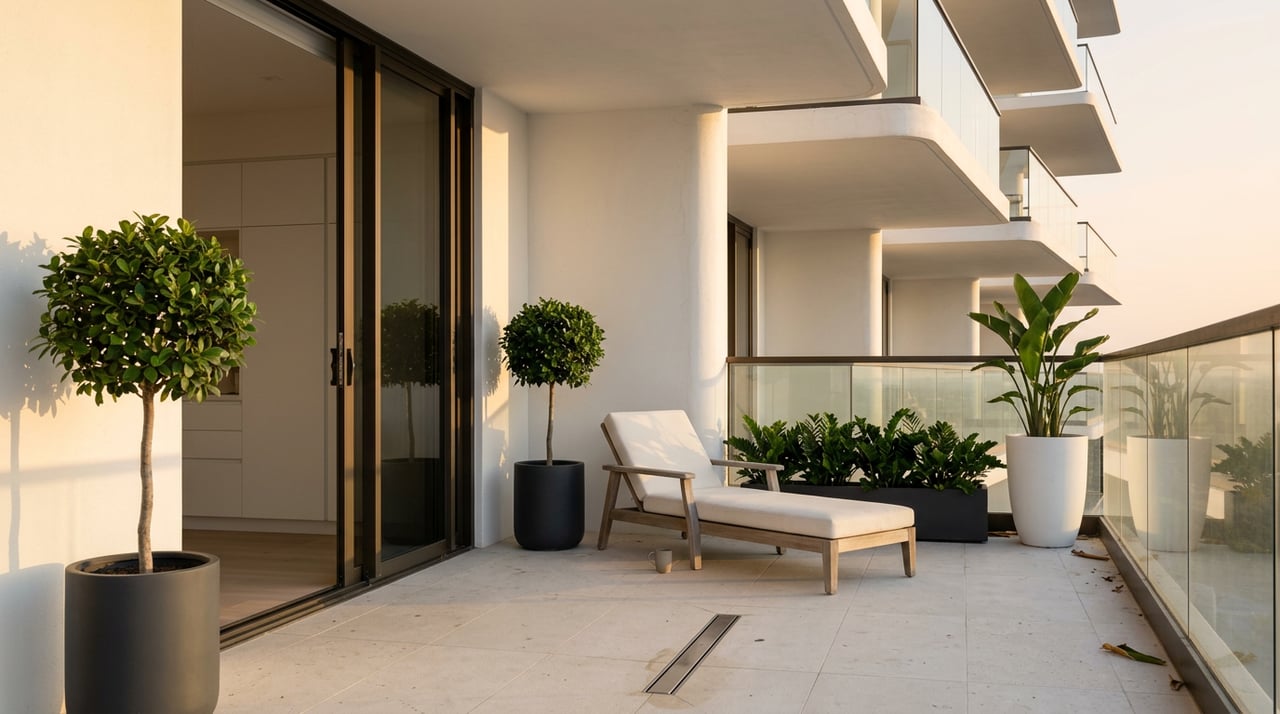
Common condo amenities include security or concierge service, on‑site management, fitness centers, pools, club rooms, and garage or valet parking. Some communities offer waterfront boardwalks, marinas, or boat slip access. You also get social programming that builds community without adding maintenance to your plate.
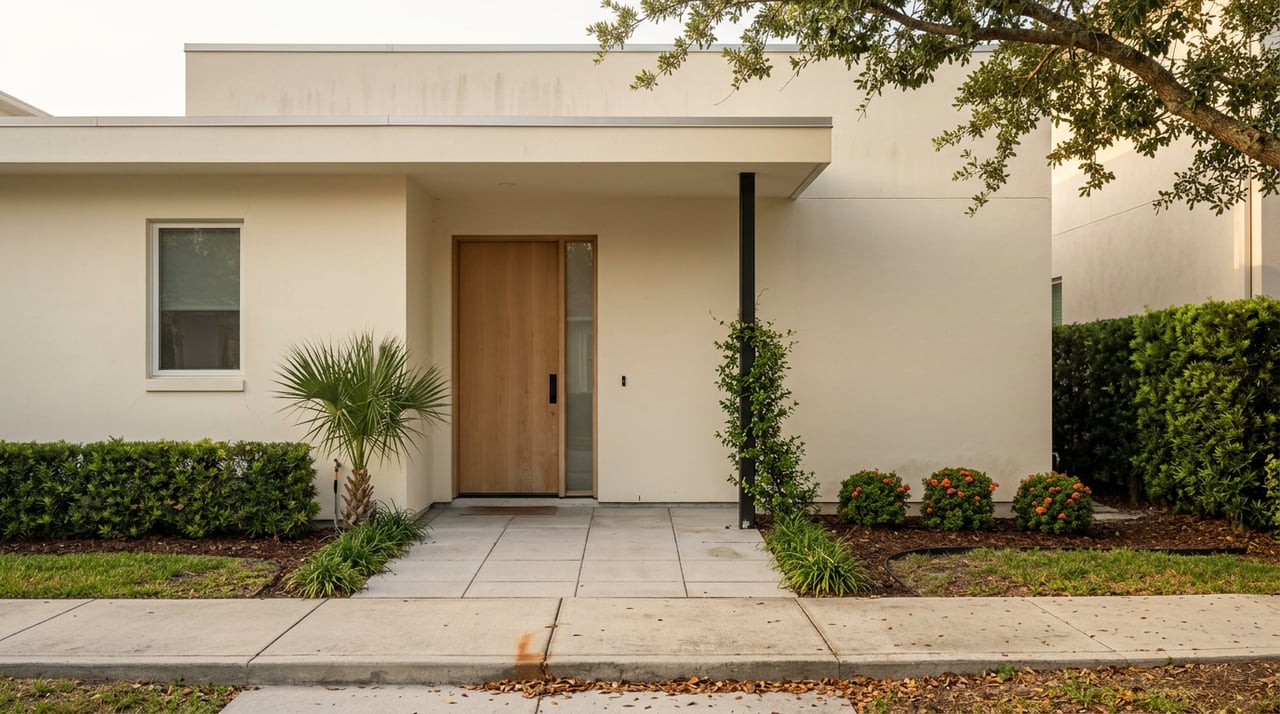
Townhomes favor privacy and space. Expect private entrances, attached garages, and outdoor areas like patios or small yards. Communities may still offer gates, landscaping, and smaller shared amenities, but the feel is more like a low‑maintenance single‑family home.
Harbour Island details to weigh:
- Flood exposure and elevation for any waterfront‑adjacent parcel
- Deeded parking and guest parking rules in a downtown setting
- Noise tolerance near dining and entertainment corridors
- Boat access, slip availability, and related fees or policies
- Newer buildings with modern systems versus older buildings that may face capital projects
Financing and resale factors
Financing can be more complex for condos. Lenders review the entire project, including reserves, insurance, litigation, and the ratio of owner‑occupied units. Some loan programs require project approval. This can affect your ability to use certain mortgages and may reduce the buyer pool when you resell.
Townhomes are often treated like single‑family homes for underwriting, which can simplify financing. Appraisals for both condos and townhomes rely on relevant comparables, but in condos, floor level, view, and amenity package can shift value significantly.
Resale depends on association health and rules. Buyers pay close attention to reserves, visible maintenance, rental policies, and insurance costs. Projects with clear financials and well‑maintained common areas tend to hold value better. Rental restrictions can influence investor interest and overall marketability, so review them early.
Short‑term rental and leasing rules
Both condo and townhome communities can restrict leasing. Many urban waterfront condos limit short‑term rentals by setting minimum lease terms or the number of leases per year. Townhome communities vary, though many areas near downtown favor residential stability. Local regulations may also apply. Confirm the current rules, any licensing needs, and taxes before you plan to rent.
Which one fits your life?
Think first about your day‑to‑day routine and your risk tolerance. If you travel often or want true lock‑and‑leave living with on‑site help, a condo usually fits. You trade some personal control for convenience and services.
If you want a private entrance, direct garage access, and a home that feels closer to single‑family, a townhome is a strong choice. You may take on more exterior responsibility, depending on the HOA. Some buyers choose townhomes to avoid elevators and to bring groceries straight from the garage to the kitchen.
Ask yourself:
- Do I value building services and staffed security more than exterior control?
- Would I prefer private outdoor space over shared amenities?
- Am I comfortable with project‑level risks like special assessments in exchange for convenience?
- How important is financing flexibility and a wider buyer pool at resale?
Due diligence checklist for Harbour Island
Before you commit, gather documents and ask pointed questions. This will clarify total cost and reduce surprises.
Documents to request:
- Declaration, bylaws, and rules and regulations
- Current budget, latest annual financials, and most recent reserve study
- Minutes from the past 12 months of board meetings
- Details on special assessments and planned capital projects
- Association master insurance certificate with coverage scope and deductibles
- Any litigation disclosures involving the association or developer
- Occupancy data, rental rules, and investor ownership concentrations
- Building condition and engineering reports, elevator service records, and roof age
- Flood zone determination and any Elevation Certificate
- Deeded parking and storage details
- Boat slip or marina agreements, if applicable
- FHA or VA project approval status if relevant to your financing
Questions to ask:
- What does the monthly fee include, and which utilities are covered?
- Who maintains roofs, windows, and exterior paint in this community?
- When was the last reserve study, and are any assessments planned?
- What are the current rental rules and minimum lease terms?
- What percentage of homes are owner‑occupied versus investor‑owned?
- Are there any known water intrusion or structural issues in the past?
Next steps
Your choice on Harbour Island is less about condo versus townhome and more about matching the lifestyle and risk profile you prefer. If you want curated options and clear guidance on fees, reserves, insurance, and resale, partner with a local advisor who lives this market every day. For discreet previews of high‑rise residences and boutique townhome releases, and for help pressure‑testing the numbers before you write an offer, connect with Bianca Lopez.
FAQs
What is the main difference between a condo and a townhome in Florida?
- In a condo, you own the interior and share the building and land through the association; in a townhome, you often own the structure and land fee‑simple, with an HOA managing shared areas.
How do Harbour Island HOA fees compare for condos and townhomes?
- Condo fees are often higher due to amenities, staffing, and building insurance; townhome fees vary widely and can be lower when fewer services and shared systems are included.
How does flood insurance work for Harbour Island properties?
- Flood insurance is separate from standard homeowners coverage; check the flood zone, request an Elevation Certificate if available, and get a quote to understand total monthly cost.
Are short‑term rentals allowed in Harbour Island condos or townhomes?
- Many communities restrict short‑term rentals with minimum lease terms or limits on leases per year; always confirm the specific association’s rules and any local requirements.
Is financing more difficult for condos on Harbour Island?
- Condo financing can be stricter because lenders review project reserves, insurance, litigation, and occupancy; townhomes are often underwritten like single‑family homes, which can be simpler.