Shopping in Beach Park and seeing prices that climb past the usual loan limits? You are not alone. Many homes here are custom, renovated, or near the water, and that often puts buyers in jumbo loan territory. In this guide, you will learn what counts as a jumbo loan in 2024, how underwriting differs from conforming loans, what to expect with Beach Park appraisals and insurance, and how to prepare so your closing stays on track. Let’s dive in.
What a jumbo loan means today
A jumbo loan is any mortgage that exceeds the conforming loan limit set by the Federal Housing Finance Agency. For 2024, the baseline limit for a single-unit home in most U.S. counties is $766,550. Loans above that amount are typically considered non-conforming, or “jumbo.”
Because jumbo loans do not meet Fannie Mae or Freddie Mac purchase guidelines, they are held by banks or sold to private investors under separate programs. The result is that underwriting can feel stricter and more detailed than a standard conforming loan.
Why jumbos are common in Beach Park
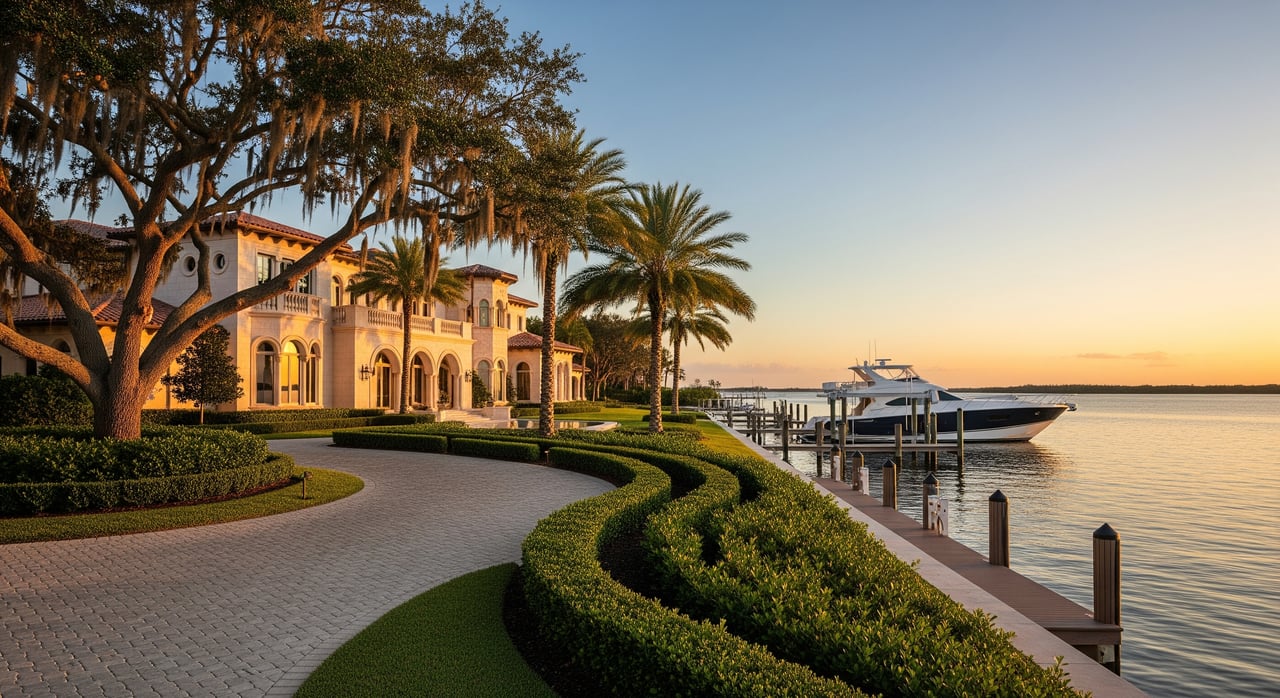
Beach Park is a higher-end neighborhood where premium waterfront sites, large lots, and custom construction are common. Purchase prices can easily push above conforming limits. Lenders and appraisers tend to look closely at property condition, insurability for wind and flood, and local comparable sales when evaluating Beach Park homes.
How jumbo underwriting is different
Income documentation
- Full documentation is standard: two years of tax returns, W-2s or 1099s, and recent pay stubs if you are salaried.
- If you are self-employed or have complex income, lenders often review profit-and-loss statements, CPA letters, or year-to-date figures.
- High-net-worth buyers may qualify through asset-based options, including asset depletion or bank-statement programs that consider liquid assets, dividends, and interest.
Down payment and LTV
- Many jumbo programs accept 10–20 percent down for well-qualified primary residence buyers.
- Expect 20–30 percent down, or more, for higher-risk scenarios, investment properties, or certain portfolio lenders.
- Low-down jumbo options exist but are less common and come with stricter credit and reserve requirements.
Debt-to-income and credit
- Many lenders prefer a debt-to-income ratio under 43 percent; conservative programs aim for 36 percent or less.
- Higher credit standards are common. Mid-700s often achieve the best pricing, though some programs allow lower scores with tighter terms.
Cash reserves and seasoning
- Primary residences often require 6–12 months of PITI in reserves. Second homes and investment properties may require 12 months or more.
- Liquid investments can count toward reserves, sometimes at a discounted value.
- Large recent deposits typically need source documentation and time on deposit.
Interest rates, PMI, and structures
- Jumbo rates can be higher or lower than conforming rates depending on market conditions, credit, LTV, and documentation type.
- Private mortgage insurance is less standardized for jumbos. Some lenders require it at higher LTVs, others offset risk with larger down payments.
- Product options include fixed-rate, ARMs, and some interest-only structures, subject to lender overlays.
Appraisal and property factors in Beach Park
Luxury and waterfront appraisals
- Full appraisals are usually required, and waivers are rare for high-value or waterfront homes.
- Appraisers may broaden the search area or use additional valuation approaches when direct comps are limited.
- Custom or heavily renovated homes may trigger a second appraisal or a detailed review. Turnaround can take longer due to limited specialized appraisers.
Flood, wind, and hazard insurance
- Many Beach Park homes are near water. Expect a FEMA flood zone check and, if applicable, a flood insurance requirement that meets lender guidelines.
- Florida lenders commonly require homeowners and windstorm coverage. They may request wind mitigation details, such as roof straps, shutters, or roof age documentation.
- Older roofs or noted storm vulnerabilities can lead to higher premiums or coverage issues, which can affect loan qualification.
HOA, easements, and condition
- If a home is in an HOA or condo, lenders review the association’s financials, reserves, and litigation status. Certain issues can complicate jumbo approvals.
- Waterfront features like docks, bulkheads, and seawalls often receive added scrutiny. Repairs or inspections can be required before closing.
Title and survey
- Lenders typically require updated title work and may ask for a survey to confirm boundaries and waterfront structures.
- Title exceptions or open permits can delay closing, especially with higher-value properties.
Your jumbo-ready prep checklist
Documents to gather early
- Photo ID
- Two years of federal tax returns, plus W-2s or 1099s
- Last 30–60 days of pay stubs if salaried
- Two to six months of bank statements for all accounts
- Recent brokerage and retirement statements (last two months)
- Documentation for large deposits and transfers
- Current mortgage statements for any properties you own
- Signed purchase contract, property details, and HOA documents if applicable
- Letters of explanation for credit inquiries, derogatory items, or employment gaps
Steps to reduce delays
- Aim for a full-document pre-approval instead of a simple pre-qualification, especially for jumbos.
- Confirm insurability and get early estimates for wind and flood coverage.
- Verify roof age and check for active permits or pending repairs.
- If your purchase depends on selling another home, align timelines and consider bridge options or carry costs.
What a realistic timeline looks like
- Full-document pre-approval: 1–7 business days
- Appraisal: 7–21 days, often longer for luxury or waterfront properties
- Underwriting after docs and appraisal: 7–21 days, sometimes in stages
- Contract to close: often 30–60 days, longer if appraisals, insurance, or title items are complex
How your agent streamlines jumbo financing
Choosing the right lender can make or break your timeline. Community banks and local portfolio lenders may be more flexible with unique files. National banks and mortgage bankers often offer broader product menus. Private banks and wealth lenders fit well when you are qualifying with assets, while mortgage brokers can source niche jumbo programs.
Here is a proven coordination workflow that keeps Beach Park deals on track:
- Make early introductions to two or three vetted lenders and compare program summaries and rates.
- Confirm the underwriting path: full doc, bank-statement, or asset-qualified.
- Push for a conditional pre-approval with a clear list of remaining conditions.
- Once under contract, order an appraisal with a local pro experienced in Beach Park and kick off title and HOA reviews at the same time.
- Coordinate flood and wind insurance options early and share insurer contacts with lender and title.
- Track reserve requirements and the paper trail for any large deposits or transfers.
- Maintain weekly check-ins with the lender and title team to clear conditions before they become bottlenecks.
If you want a confident, low-drama path to closing in Beach Park, partner with an agent who knows the waterfront nuances, the local appraisers, and the lenders who excel at jumbo files in South Tampa. For tailored guidance and access to curated inventory, connect with Bianca Lopez.
FAQs
What counts as a jumbo loan in Beach Park?
- Any mortgage amount above the 2024 baseline conforming limit of $766,550 for a single-unit property is typically considered jumbo.
How much down payment do I need for a jumbo purchase?
- Many buyers put 10–20 percent down for primary residences, while higher-risk scenarios or second homes often require 20–30 percent or more.
What credit score do jumbo lenders prefer?
- Many programs price best in the mid-700s, though some portfolio options allow lower scores with tighter terms.
How many months of reserves are common for jumbos?
- Plan for 6–12 months of PITI for primary homes and 12 months or more for second homes and investment properties.
Do jumbo rates always run higher than conforming rates?
- Not always. Jumbo pricing moves with market conditions and depends on your credit, LTV, documentation type, and lender.
What appraisal differences should Beach Park buyers expect?
- Luxury and waterfront appraisals can take longer, may use broader comps, and sometimes require a second appraisal or detailed review.
What insurance items can affect jumbo approval in Florida?
- Flood insurance may be required if the property is in a flood zone, and windstorm coverage plus wind mitigation details are commonly reviewed.
Can I qualify for a jumbo using investments instead of W-2 income?
- Often yes. Asset-based and asset-depletion programs can use liquid assets, dividends, or a depletion formula, depending on the lender.